7am to 5pm, seven days a week when needed
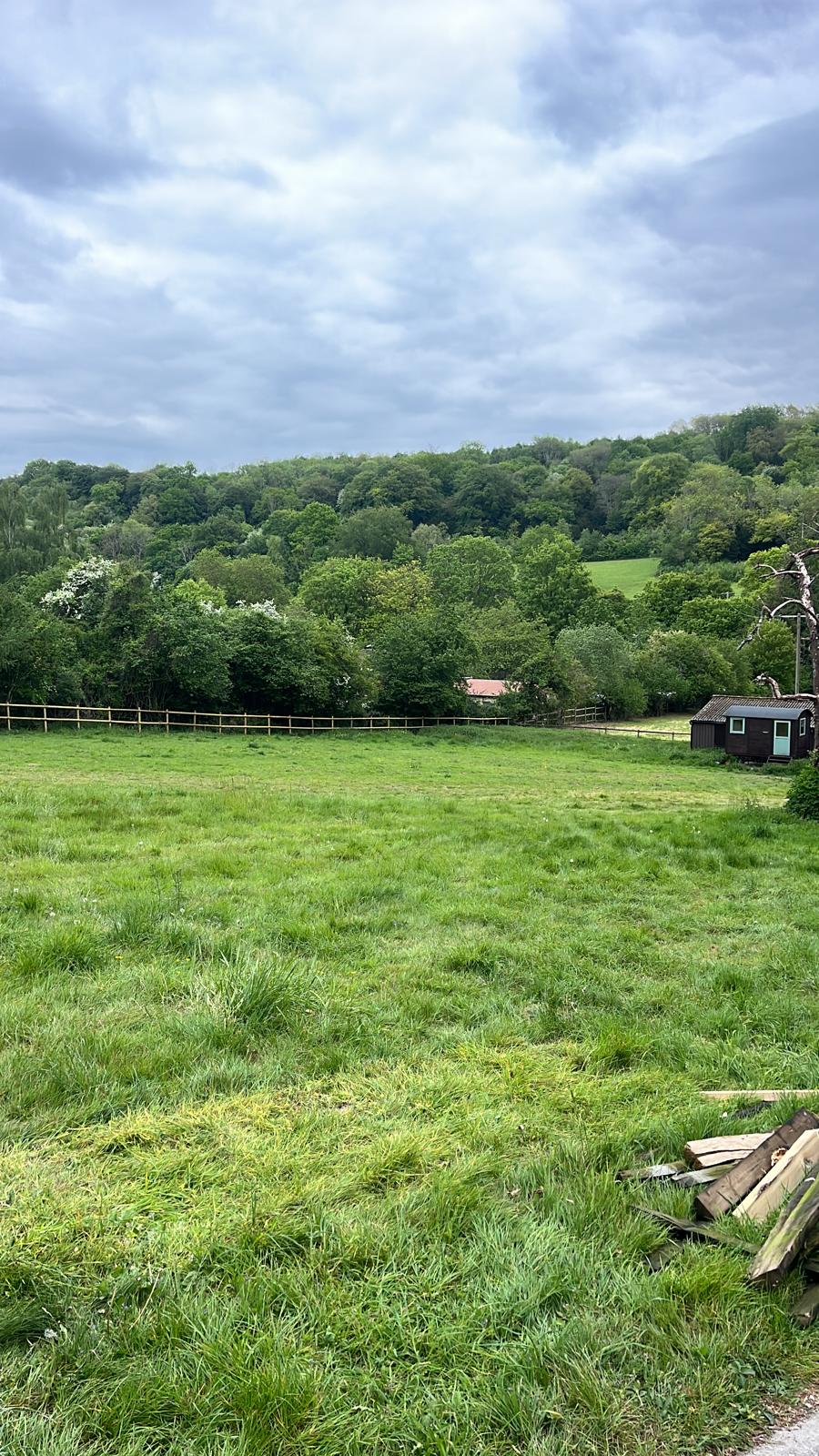
Cleared grass paddock with post and rail fencing after vegetation clearance in Kent

Tree And VegetationClearance In Kent,As Part Of The Groundworks

Overgrowth, scrub and vegetation in the way of a drive, base or fence line gets cleared as part of the job. Tell us what is actually involved and Shane will advise at the site visit on the right approach, including where a qualified tree surgeon should be doing the work instead.

25 years on the tools · Clearance handled alongside the groundworks · Advice given at the site visit · Priced in person

Get This Job Priced

Tell us the basics and Shane will arrange a visit to price it properly.

25 Years In The Trade

Hands-on experience behind every job Shane prices.

Qualified Plant Operator

NRSWA street works, full digger ticket, core drilling, ducting.

Priced In Person

Site visit first, real figure second. No guesses over the phone.

We Come Back If It's Not Right

No formal warranty period, a direct commitment from Shane.

The Service

Tree Work In Kent: What's Involved

What it is

General tree and vegetation clearance carried out as part of groundworks and site preparation: clearing scrub, brambles and overgrowth, cutting back growth obstructing a fence line or a working area, grubbing out roots and stumps that are in the way of an excavation, and removing the arisings from site. Larger, higher or more complex tree work is referred to a qualified tree surgeon.

Who it's for

Homeowners whose driveway, patio, base or fencing job is blocked by overgrowth; owners of neglected or overgrown plots; and anyone preparing a site where vegetation has to come out before the ground can be opened.

When you need it

Before groundworks start, when a boundary is so overgrown the fence line cannot be set out, when scrub and roots occupy the footprint of a planned base or drive, or when a garden has been left long enough that clearance is the first job before anything else can be planned.

Why it pays to get it right

Vegetation and root systems get in the way of accurate excavation and can undermine what you build afterwards. Because we already have the machine and the muck-away arrangements on site, clearing as part of the groundworks is usually more efficient than bringing in a separate visit for it.

What Happens If It's Left

The Problems That Get Worse And More Expensive

Roots left in the ground come back through the new surface

Cutting overgrowth off at ground level and paving over it does not deal with the root system. Live roots continue to grow and can lift or disturb what has been laid on top, and decaying roots leave voids that settle. Anything within the footprint of a dig needs grubbing out properly, not trimming.

Overgrowth hides what you are actually buying

A boundary buried in brambles conceals the real state of the fence, the ground levels and sometimes the boundary line itself. Jobs get priced wrongly and start badly when nobody could see the ground. Clearing first means the groundworks are set out against reality.

Tree work outside the right skill set is genuinely dangerous

Felling, dismantling, work at height and anything involving a chainsaw in a tree carries serious risk to people and property, and it is specialist work. We are straightforward about this: general clearance is part of our groundworks, but a large or awkward tree belongs with a qualified tree surgeon, and we will say so.

Our Process

How The Job Runs, Step By Step

  1. Step 1

    Site visit and honest assessment

    Shane comes out and looks at what is actually there, the extent of the growth, what is in the way of the groundworks, the size and position of anything substantial, and the access. You get a clear view of what we will take on and what should go to a tree surgeon.

  2. Step 2

    Checks before anything is cut

    Protected trees and conservation area restrictions are a matter for your local authority, and any consent is the customer's responsibility. Boundary ownership and overhanging growth from a neighbour's land are confirmed before work starts, along with nesting season considerations.

  3. Step 3

    Clear the vegetation and overgrowth

    Scrub, brambles and general overgrowth are cleared from the working area and the ground is opened up so the fence line, drive or base can be set out against what is really there.

  4. Step 4

    Grub out roots and stumps in the footprint

    Roots and stumps sitting within the area to be excavated are dug out with the machine so the sub-base or foundation is not built over something that will rot or keep growing.

  5. Step 5

    Clear the arisings and hand over

    Cut material, roots and debris are removed from site, the area is raked off and left clean and ready for the groundworks, and we walk it with you.

What You Get

The Difference It Makes

One visit, one team

Clearance handled by the same crew doing the drive, base or fence, with the machine already on site.

Roots dealt with properly

Stumps and roots in the excavation footprint are grubbed out rather than covered over.

Accurate setting out

With the ground visible, levels and lines are set against the real site instead of guesswork.

Arisings taken away

Cut material and debris are removed from site as part of the job.

Straight advice

We tell you when a job needs a qualified tree surgeon instead of taking work we should not.

Priced with the wider job

Assessed in the same site visit as the groundworks, so you get one figure for the whole thing.

In Detail

Materials, Methods And The Things That Matter

What we take on, and what we do not

Our tree and vegetation work is site clearance in support of groundworks: brambles, scrub, self-seeded growth, overgrown hedging, cutting back growth obstructing a fence line or working area, and grubbing out roots and stumps within an excavation footprint. What we do not take on is specialist arboricultural work, felling large trees, sectional dismantling, climbing and work at height with a chainsaw, crown reduction and pruning to arboricultural standards. That work needs a qualified tree surgeon with the appropriate certification and equipment. Being clear about that boundary is the only responsible way to describe this service, and at the site visit Shane will tell you plainly which side of the line your job sits on.

Protected trees, conservation areas and hedges

Before anything comes down it is worth knowing what is protected. Tree Preservation Orders apply to individual trees, groups and woodlands, and trees within a conservation area carry their own notification requirements; working on a protected tree without consent is a serious matter. Some hedgerows are protected too, and planning conditions on newer properties sometimes require specific planting to be retained. Checking with the local authority and obtaining any consent is the customer's responsibility, and we will always raise it at the visit rather than assume it has been done. Nesting birds are another legal consideration during the season, and timing of clearance is planned with that in mind.

Roots, structures and why trees matter to groundworks

Trees and foundations interact more than most people realise, particularly on the shrinkable clay found across much of Kent. A mature tree draws a great deal of moisture out of the ground in summer, and clay shrinks as it dries, which is why proximity of trees to a building is central to any subsidence investigation. Removing a large established tree close to a building is not automatically a fix either: the clay can rehydrate and swell, causing heave. That is exactly why significant trees near a structure are a question for an engineer and an arboriculturist, not a decision to be taken casually on site. On the practical groundworks side, root systems also dictate how a drive or base has to be built where a tree is staying.

Clearance as site preparation

On most of our jobs, clearance is the first phase rather than a standalone service. An overgrown side return has to be opened up before a path can be set out; a boundary buried in bramble has to be cleared before post positions can be strung; a garden room base cannot be dug while scrub occupies the footprint. Doing it with the machine and muck-away already arranged is quicker and cheaper than treating it as a separate project, and it means the person clearing the ground is the person who then has to build on it, which tends to concentrate the mind on clearing it properly.

Questions

Tree Work: Frequently Asked

Do you fell large trees?

No. Our tree work is general clearance as part of groundworks, scrub, overgrowth, cutting back, and grubbing out roots and stumps in the way of an excavation. Felling large trees, climbing and sectional dismantling is specialist work for a qualified tree surgeon, and we will tell you so at the visit.

What tree work will you take on?

Clearing brambles, scrub and general overgrowth, opening up an overgrown boundary or working area, cutting back growth that is obstructing the job, and removing roots and stumps within the footprint of the groundworks.

How much does clearance cost?

It is priced in person, usually as part of the wider groundworks. The extent of the growth, what has to be grubbed out, access and how much material is going off site all affect the figure.

Do you take the waste away?

Yes. Cut material, roots and debris are removed from site and the area is left clear and ready for the next stage.

What if the tree is protected?

Tree Preservation Orders and conservation area rules are a matter for your local authority, and obtaining any consent is the customer's responsibility. Check before work is booked, we will raise it at the visit.

Can you remove a stump?

Stumps within the area we are excavating are grubbed out with the machine as part of the groundworks. A large standalone stump away from the works may be better suited to a tree surgeon with a stump grinder, and we will be honest about which applies.

There is a tree near my house and I am worried about the foundations. Can you take it out?

That is a question for a structural engineer and an arboriculturist first. Removing a mature tree on clay can cause the ground to swell and create its own problems, so it is not a decision to take on the spot.

Can you cut back my neighbour's overhanging branches?

Overhanging growth and boundary ownership need to be established before anyone cuts anything, and that sits with the property owner. Sort the ownership question first and we can then look at what is practical.

Is there a best time of year for clearance?

Nesting birds are a legal consideration during the season, so timing is planned around it. Otherwise we work year round, 7am to 5pm and seven days a week when a job needs it.

Which areas do you cover?

Across Kent, including Maidstone, Medway, Canterbury, Ashford, Sittingbourne, Faversham, Sevenoaks, Tunbridge Wells, Dartford and Gravesend.
Where We Cover

Tree Work across Kent. If your town isn't listed it's still worth a call, travel depends on the job as much as the postcode.

  • Maidstone
  • Ashford
  • Canterbury
  • Tunbridge Wells
  • Sevenoaks
  • Sittingbourne
  • Faversham
  • Medway (Chatham, Rochester, Gillingham)
  • Dartford
  • Gravesend
More about our Kent coverage

Get The Site Cleared And The Job Priced

Describe what is in the way, or call Shane directly. Site visit, honest advice on what we will take on, and a start date once a 10% deposit secures the booking.

7am to 5pm, seven days a week when needed. 10% deposit secures your booking; the balance is settled on completion.

Call NowGet an Estimate