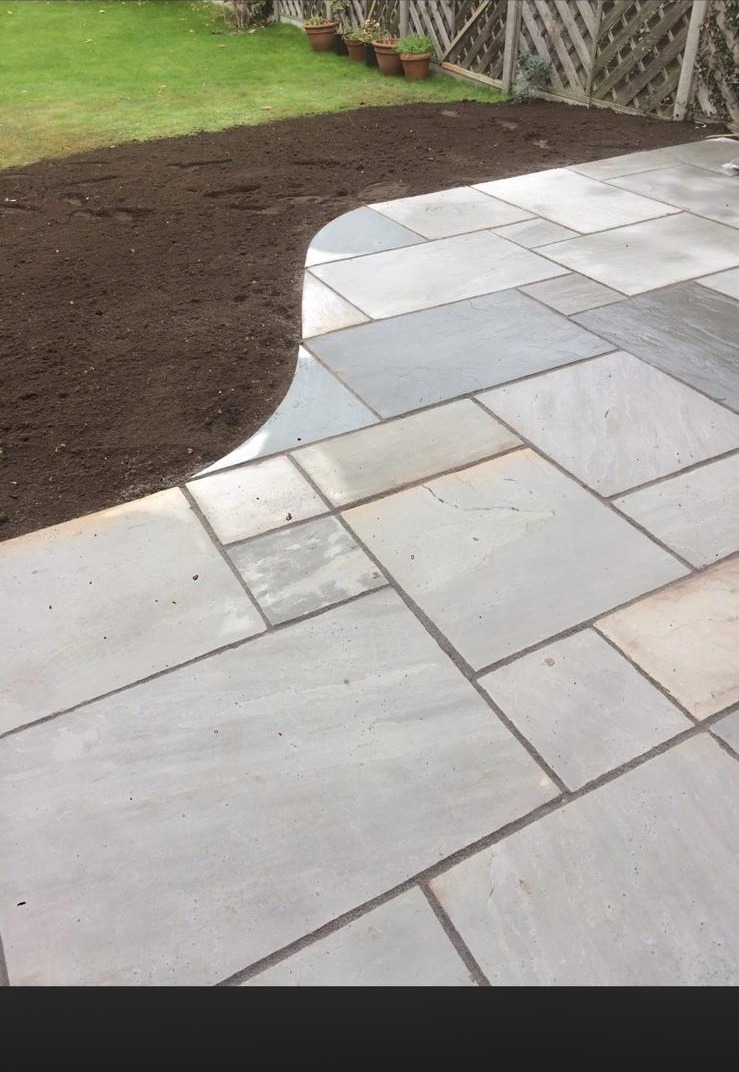
Groundworker, not just a paver
Retaining, terracing and drainage on a sloping Tunbridge Wells garden is excavation work first. A full digger ticket and 25 years of it is the relevant qualification.
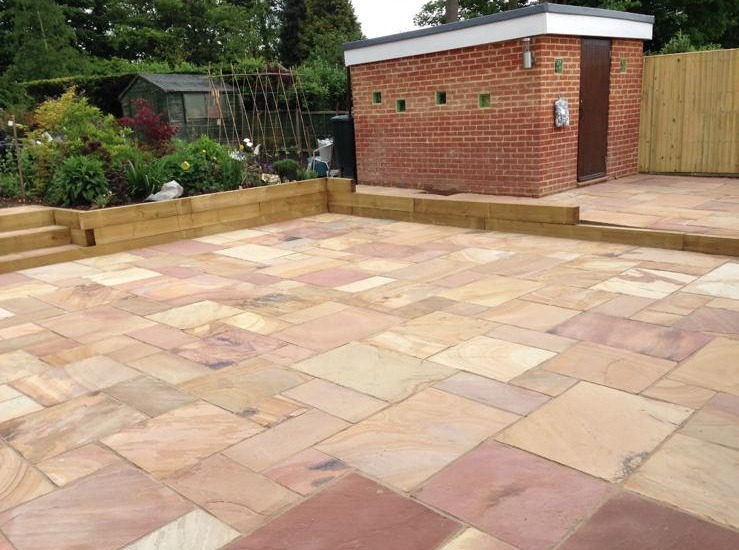
Tunbridge Wells is built on sandstone and slopes, with large Victorian villas, mature trees and gardens that drop away sharply behind the house. Terracing, retaining and drainage are not extras here, they are most of the job.
25 years on the tools · Full digger ticket and NRSWA street works · Priced in person after a site visit · 10% deposit secures the booking
Tell us the basics and Shane will arrange a visit to price it properly.
Local Coverage
TN1 to TN4, and the surrounding villages
We cover Royal Tunbridge Wells and the surrounding area: Southborough, Rusthall, Langton Green, Pembury, Speldhurst, Bidborough and the villages towards the Sussex border, for driveways, patios, terracing, concrete bases, fencing, decking, cleaning, underpinning and clearance.
Tunbridge Wells sits at the western end of our coverage and is reached regularly via Sevenoaks and Tonbridge. Visits are arranged around the current diary rather than promised on the spot; we work 7am to 5pm, seven days a week when a job needs it.
Large Victorian and Edwardian villas with long, steep rear gardens; substantial detached houses in the leafier roads towards Rusthall and Langton Green; Victorian terraces around the town centre and Camden Road; post-war and modern housing at Sherwood and Pembury; and period cottages in the outlying villages.
The work here skews towards the bigger and more technical: multi-level patio terracing with retaining walls and steps, long or steep driveways, substantial concrete bases for garden rooms and studios, fencing across sloping boundaries, and cleaning heavily mossed paving and roofs shaded by mature trees.
What We Do Here
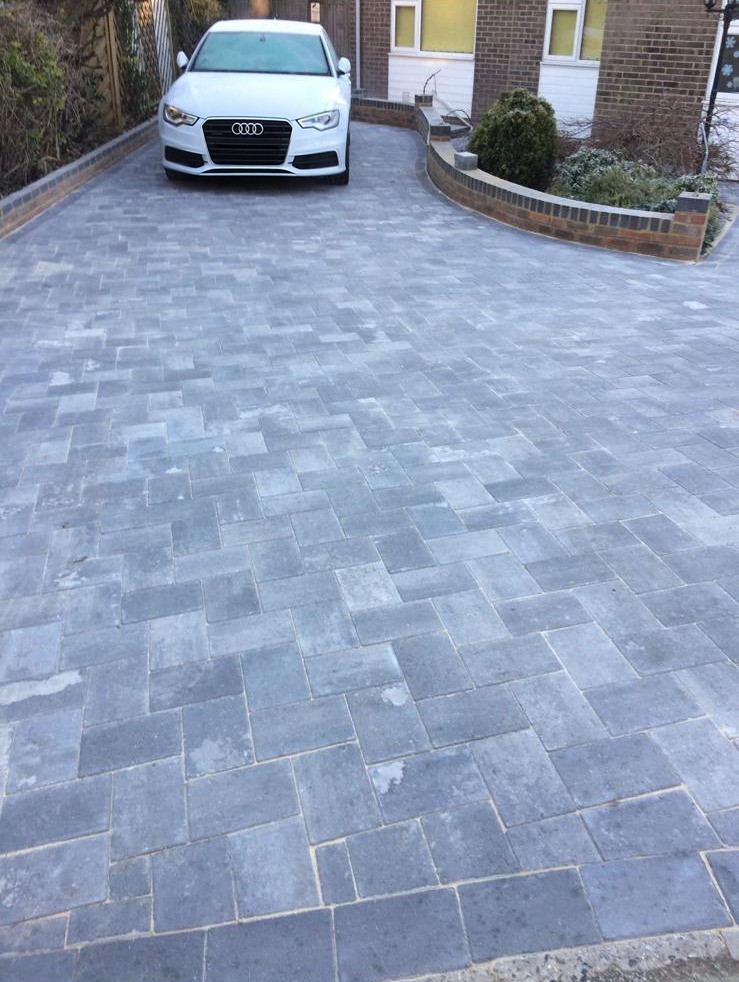
New driveways dug out, sub-based and laid properly, with drainage and edging finished to last.
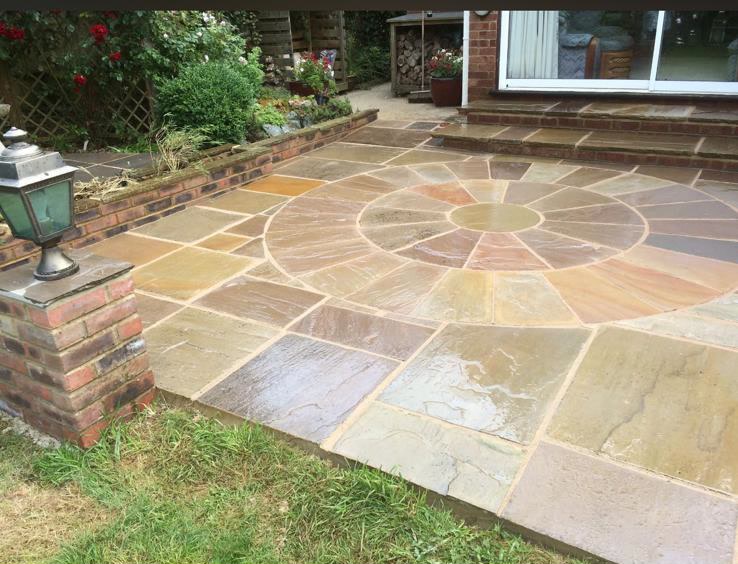
Patios laid on a correctly prepared base, set to fall so water runs away from the house.
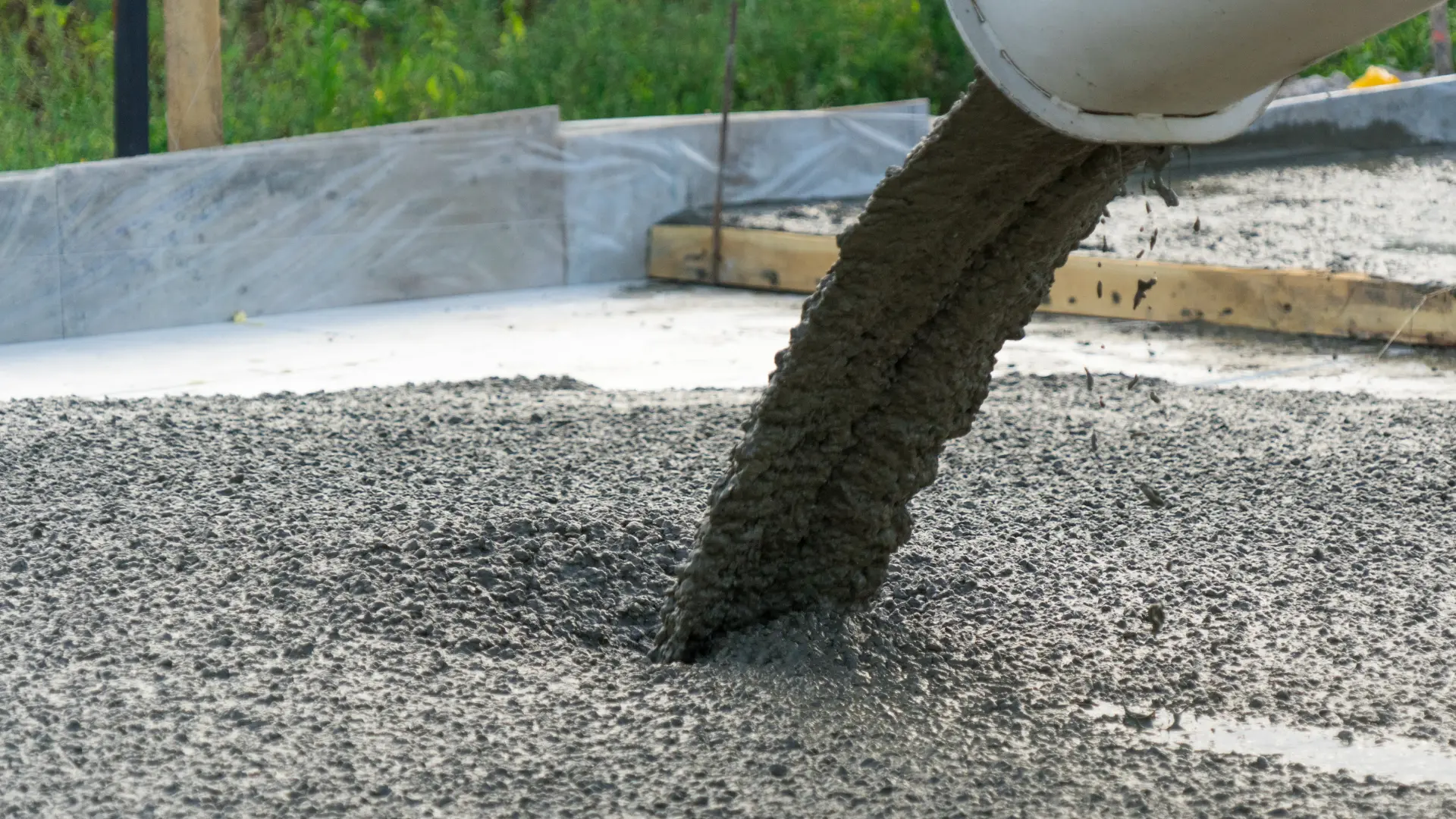
Bases for garages, garden rooms, sheds and hot tubs, excavated, shuttered, reinforced and poured level.
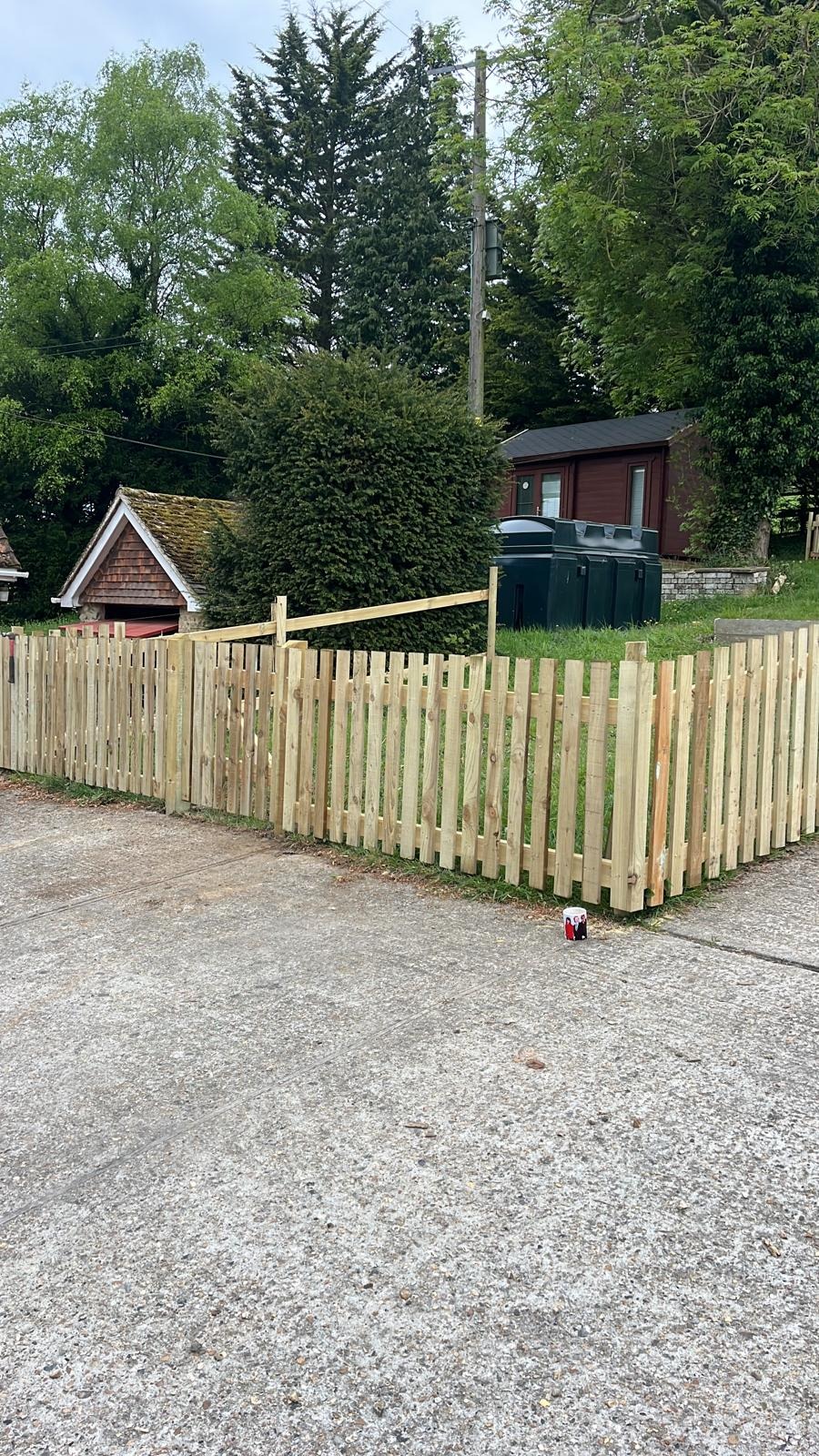
Boundary and garden fencing with posts set solid, lines run straight and levels taken across slopes.
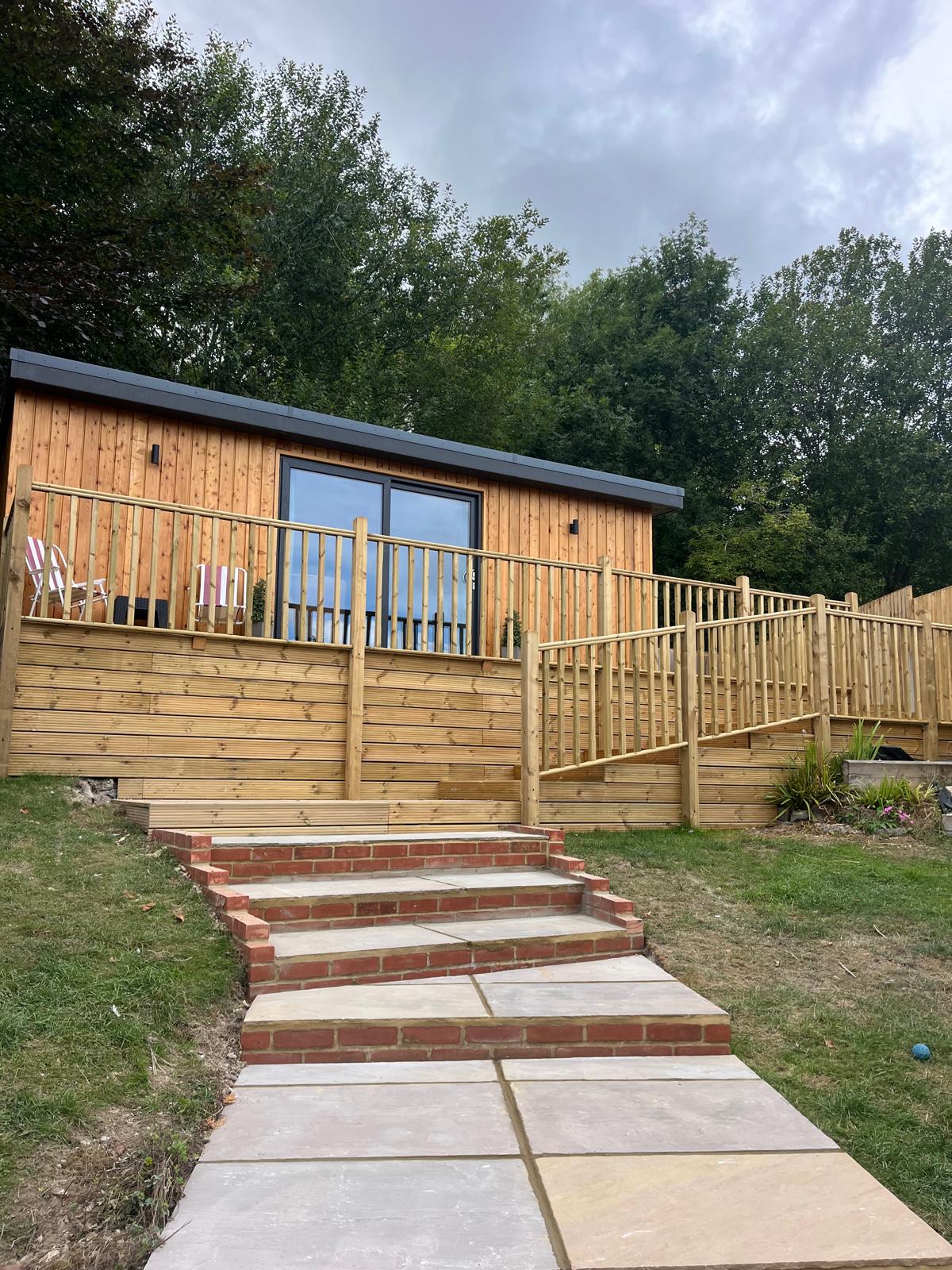
Timber and composite decking built on a properly supported frame, level and free of movement.
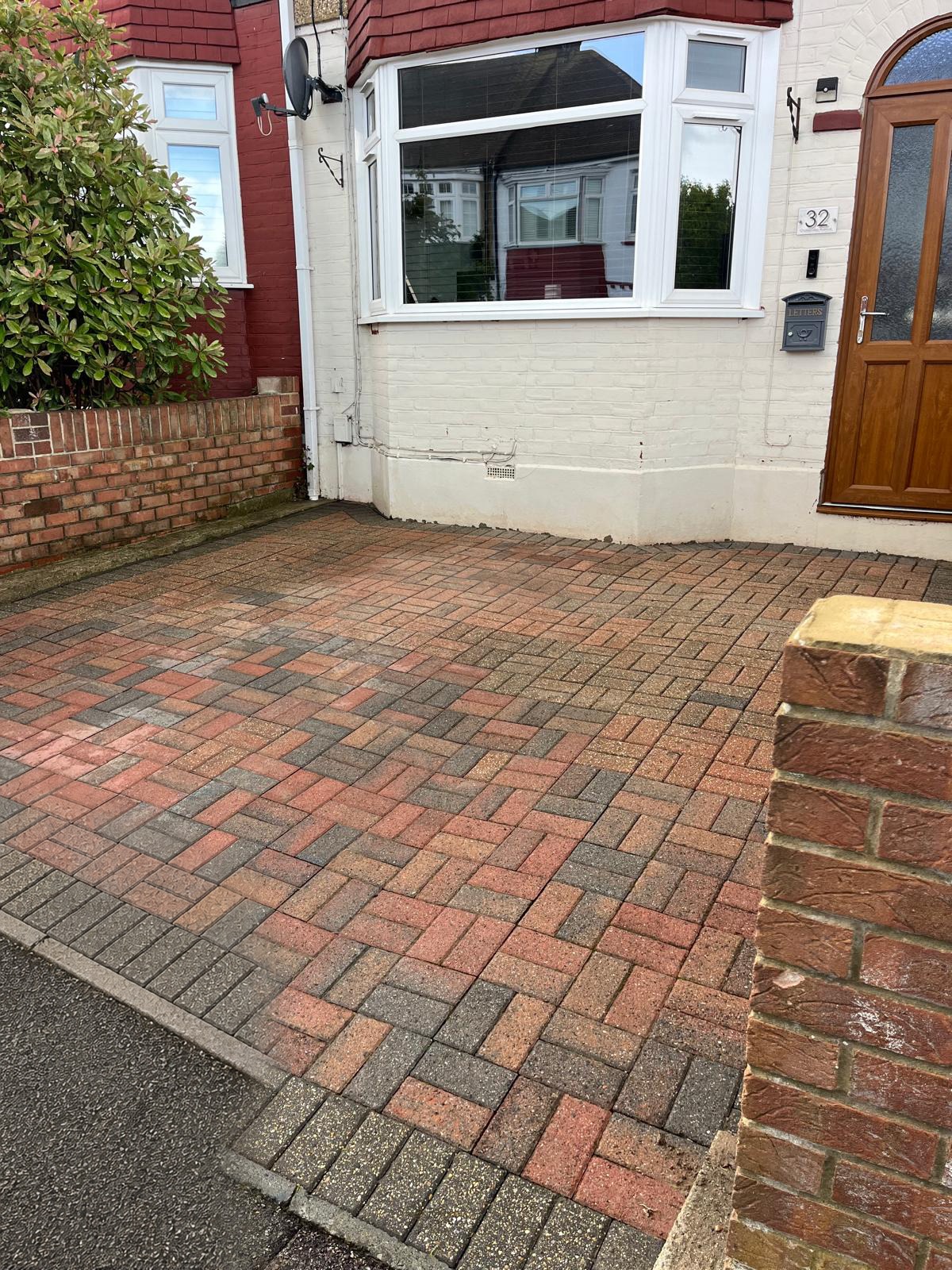
Pressure cleaning to lift moss, algae and staining from block paving, slabs and concrete.
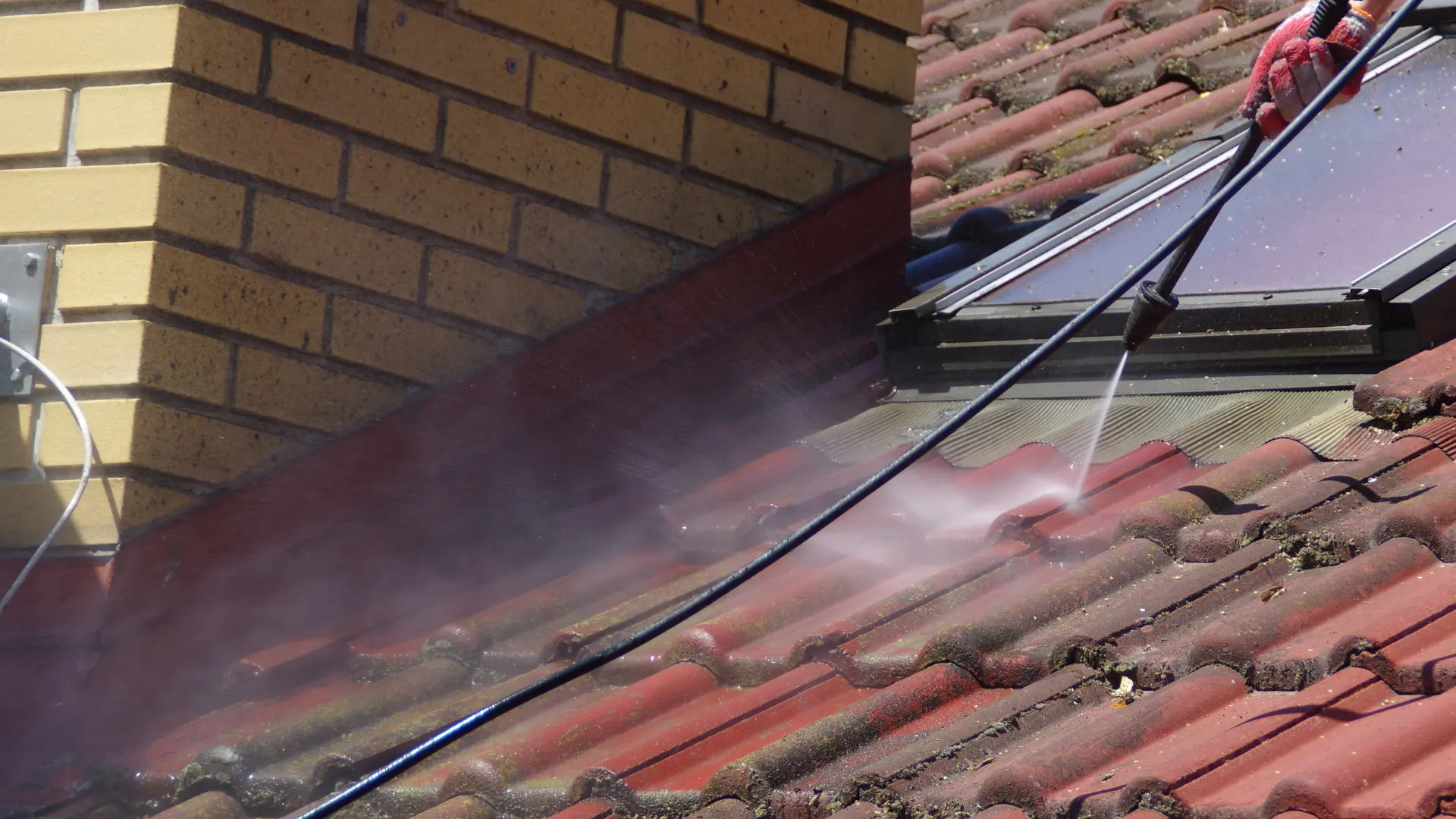
Careful removal of moss and build-up from tiles, with gutters and surroundings left clear.
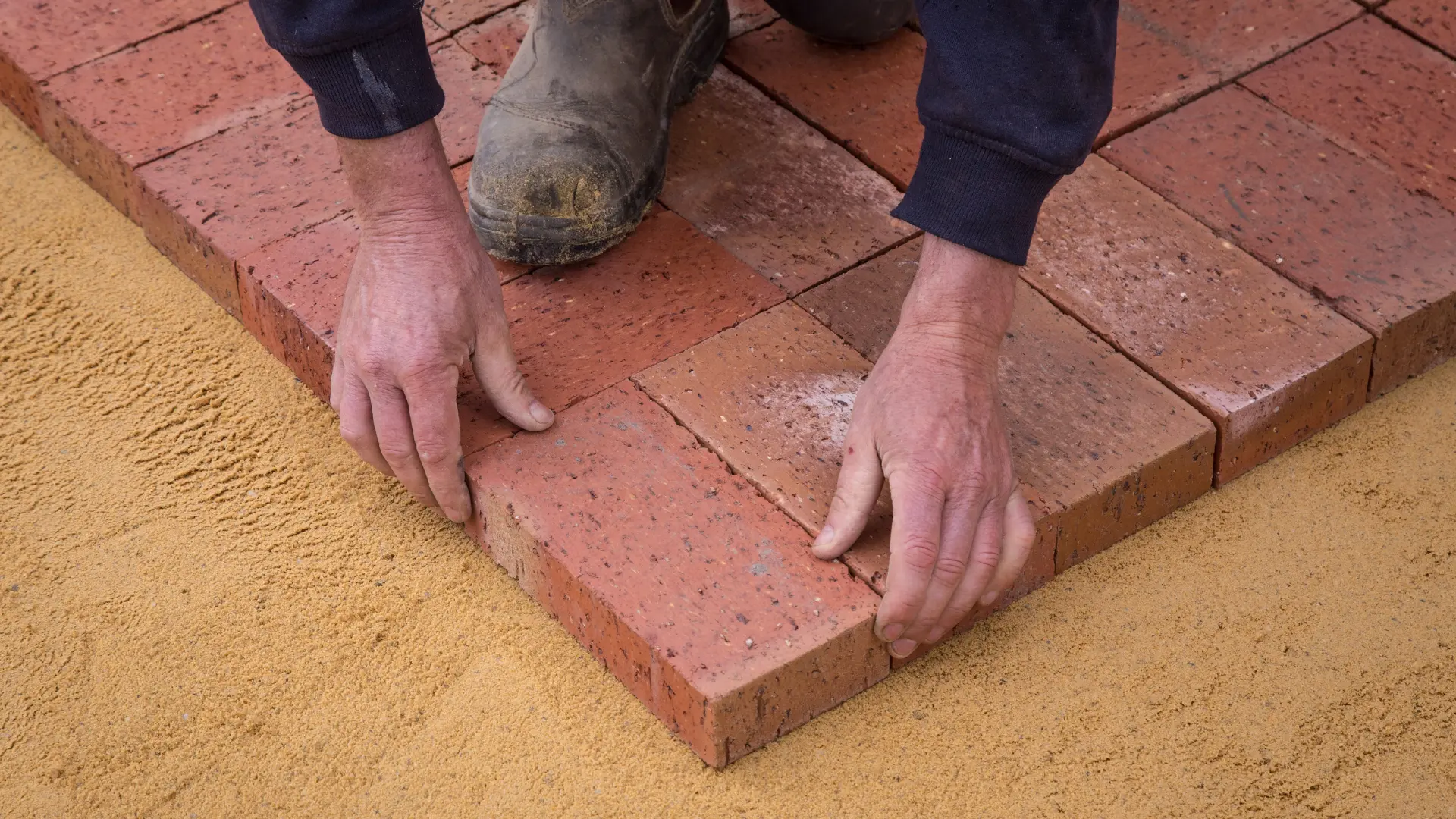
Underpinning works carried out to specification. Structural engineer and building control sign-off remain the customer's responsibility.
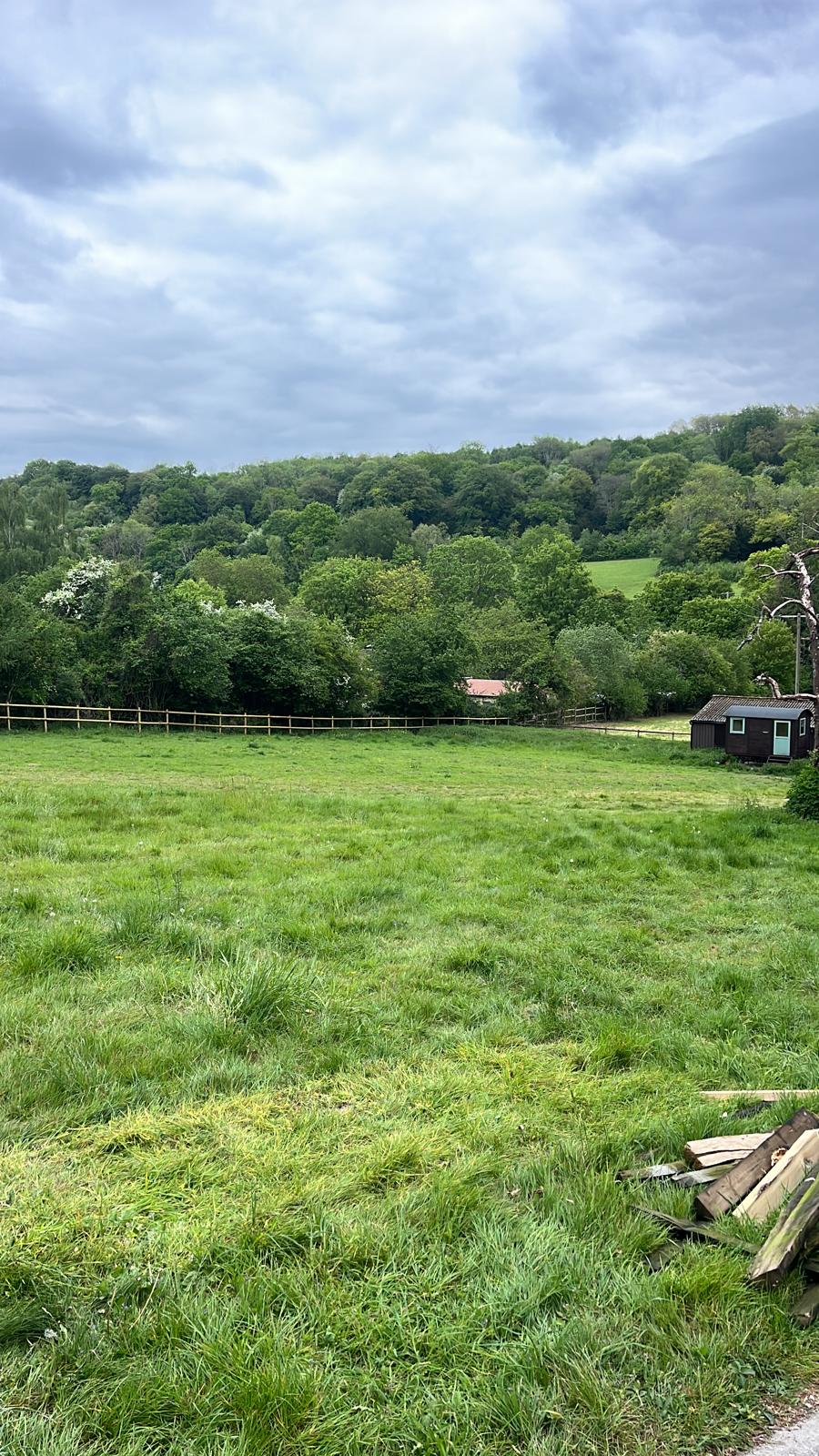
General tree and vegetation clearance as part of groundworks. Tell us what's involved and we'll advise on the right approach at the site visit.
Why SMB Groundworks and Servicing
Retaining, terracing and drainage on a sloping Tunbridge Wells garden is excavation work first. A full digger ticket and 25 years of it is the relevant qualification.
A terraced garden costs what it costs because of the earthworks. Shane visits, takes the levels in and prices the actual job.
Excavation, retaining structure, base and paving are all done by the same team, which matters most on the jobs where those stages depend on each other.
Founder-led by Shane Brooker, with 25 years in the trade, NRSWA street works, a full digger ticket, core drilling and ducting. Every job is priced in person after a site visit; a 10% deposit secures the booking and the balance is settled on completion. If anything isn't right once we've finished, you call and Shane comes back and sorts it.
Local Conditions
A great many Tunbridge Wells gardens fall away sharply behind the house. Creating level, usable space means cutting and filling, building retaining structures and forming steps, and that is a genuine groundworks job with foundations, drainage and access considerations, not a paving job with a wall thrown in at the end.
The town sits on Tunbridge Wells sandstone, and rock is frequently close to the surface, it is literally what the town's outcrops are made of. That can mean slow, expensive excavation, or occasionally a design change to work with the rock rather than through it. It is one of the clearest reasons a price here cannot be given over the phone.
The leafier roads are heavily treed, and mature trees bring three problems at once: root systems that dictate how a drive or base can be built, heavy shade that grows moss and algae on every hard surface, and, on clay pockets, significant seasonal moisture movement in the ground near buildings.
Substantial parts of the town lie within conservation areas and there are many period and listed properties. Surface materials and alterations to a frontage can require consent, which is the property owner's responsibility to obtain, worth resolving before a driveway is specified.
In Detail
The standard Tunbridge Wells brief is a garden that steps steeply away from the back of the house, and a client who wants somewhere level to sit and eat. Delivered properly, that is an earthworks job: excavate into the bank, build a retaining structure on proper foundations with drainage and weep holes behind it so water pressure cannot build in the retained ground, form steps with consistent rise and going so they are comfortable in the dark, then base and pave the terrace with falls away from the house. Spoil removal on a steep site is often the single biggest line in the price, because it all has to come back up to the road. Getting the retaining detail right is what keeps the whole thing standing.
Sloping drives bring their own set of requirements. Falls have to be managed so surface water is intercepted before it reaches a garage, a lower ground floor or the house threshold, usually with a channel drain across the drive at the low point. Run-off must not discharge onto the public highway, which is handled with permeable construction or drainage within the boundary. On steeper drives the surface choice matters too: loose gravel migrates downhill and out into the road unless it is properly gridded and edged, so a bound or blocked surface is often the sensible answer. Where a new crossover onto the footway is involved, that is highway work requiring the council's permission.
Garden studios, offices and gyms are common in this part of Kent, and the gardens are big enough to take them. The complications are access, getting a machine and concrete to the bottom of a long sloping garden, and levels, since the base has to be dead level and square regardless of what the ground is doing around it. We dig out, compact, lay and lap the damp-proof membrane, shutter to the manufacturer's dimensions, reinforce and pour, with power and water ducting run in before the concrete goes down. Where trees are close by, the root situation and the clay behaviour around them shape how the base is built.
From Tunbridge Wells we cover Southborough, Rusthall, Langton Green, Speldhurst, Bidborough and Pembury, and the town connects naturally to our work in Sevenoaks, Tonbridge and across towards Maidstone. Travel here is worth it for a job of reasonable size; for something very small at the far edge of the area, Shane will tell you honestly whether it makes sense rather than quoting a price he does not want to honour.
How It Works
Call or send the form with a sentence about the work and where you are.
Shane comes out, looks at the ground, levels and access, and prices the job for what it is.
Happy with the price? A 10% deposit secures your booking and a start date goes in the diary.
We dig, base and finish the job, clear the site, and come back if anything isn't right.
Questions
Yes: Royal Tunbridge Wells and the surrounding area, including Southborough, Rusthall, Langton Green, Speldhurst, Bidborough and Pembury.
It sits at the western end of our coverage and we reach it regularly via Sevenoaks and Tonbridge. Visits are arranged around the diary, and you will be given a realistic date when you call rather than a promise on the spot.
It is priced in person, and on a sloping site the earthworks usually dominate the figure, how much is being cut and filled, how much spoil has to come back up to the road, and what retaining structure is needed. That cannot be judged over the phone.
Rock close to the surface is common here and it slows excavation considerably. It is assessed at the site visit, and where the ground makes a dig impractical we will discuss designing around it instead.
Yes. Retaining structures are built on proper foundations with drainage behind them so water pressure cannot build up in the retained ground, that detail is what stops a retaining wall moving later.
It can affect materials and what alterations are permitted. Consent is the property owner's responsibility to obtain from the council; we will then build to what is permitted.
The first step is a structural engineer, not a groundworker, mature trees on clay draw moisture and cause seasonal movement, and removing a tree can cause its own problems. If underpinning is specified we carry out the works to the engineer's design; sign-off remains your responsibility.
Loose gravel migrates downhill and ends up in the road unless it is properly gridded and edged. On a steeper drive a bound or blocked surface is usually the better answer, and we will give you a straight view at the visit.
Yes, 10% once you are happy to proceed, which secures the booking. The balance is paid on completion.
Sevenoaks, Maidstone and the rest of Kent, including Medway, Sittingbourne, Dartford and Gravesend.
Tell us what the garden is doing, or call Shane directly. Site visit, levels taken, straight price for the work it actually needs.
7am to 5pm, seven days a week when needed. 10% deposit secures your booking; the balance is settled on completion.