
7am to 5pm, seven days a week when needed
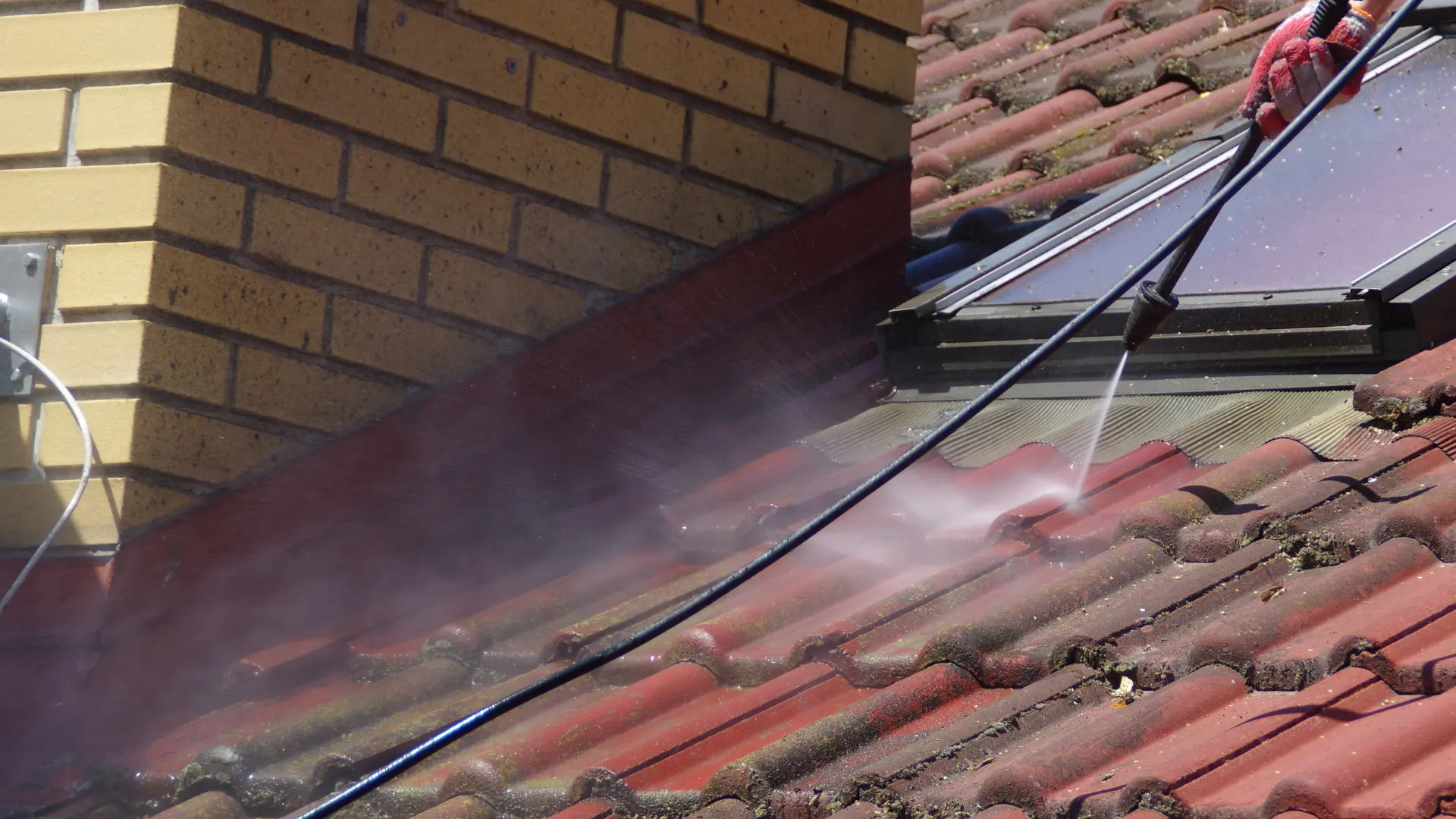
Moss and algae being washed from red roof tiles during a roof clean in Kent

Roof Cleaning In KentMoss Cleared Carefully,Gutters Left Clear

Moss on a Kent roof is not just untidy. It holds water against the tiles, drops into the gutters and blocks the downpipes. We clear it carefully, take the debris out of the guttering, and leave the surroundings clean.

25 years working on domestic property · Debris cleared, not left in the gutters · Priced in person after a site visit · 10% deposit secures the booking

Get This Job Priced

Tell us the basics and Shane will arrange a visit to price it properly.

25 Years In The Trade

Hands-on experience behind every job Shane prices.

Qualified Plant Operator

NRSWA street works, full digger ticket, core drilling, ducting.

Priced In Person

Site visit first, real figure second. No guesses over the phone.

We Come Back If It's Not Right

No formal warranty period, a direct commitment from Shane.

The Service

Roof Cleaning In Kent: What's Involved

What it is

Removal of moss, lichen and organic build-up from roof tiles, along with clearing the gutters and downpipes of the debris that comes down with it, and cleaning the surrounding areas the work affects. Access, method and the condition of the covering are assessed on site before any price is given.

Who it's for

Homeowners with visible moss growth on the roof, people finding moss fragments in their gutters or on the drive after rain, anyone with recurring gutter overflow, and owners preparing a property for sale where the roof lets the whole frontage down.

When you need it

When you can see thick green or brown growth across the tiles, when moss clumps are falling into the gutters or landing on the drive, when gutters overflow during heavy rain even though they look intact, or when a shaded, north-facing roof slope has gone completely green.

Why it pays to get it right

Moss holds moisture against the tile surface and, in freeze-thaw weather, that trapped water works away at the covering. The bigger and more immediate problem is the guttering: displaced moss blocks outlets and downpipes, and water then runs down the wall instead of away from the building.

What Happens If It's Left

The Problems That Get Worse And More Expensive

Blocked gutters send water down the wall

Moss shedding off the roof collects in the gutter run and packs into the outlets. The gutter then overflows in heavy rain, and that water runs down the face of the wall, soaking the brickwork and pooling at the base. Over a wet winter this is one of the most common causes of damp at the back of a house.
Trapped moisture and freeze-thaw on the tiles

A thick moss mat behaves like a sponge, holding water against the covering long after the rain has stopped. When that water freezes it expands, working at the tile surface and any weak mortar. It also keeps the roof space of that slope permanently damp on the outside.

Aggressive cleaning does more harm than the moss

A high-pressure jet fired up a roof can lift tiles, drive water under the laps, strip the surface off concrete tiles and blow out ridge and verge mortar. Roofs are also the most dangerous place on a domestic property to get access wrong. Method and access matter more here than on any other surface we work on.

Our Process

How The Job Runs, Step By Step

  1. Step 1

    Site visit and roof assessment

    Shane comes out, looks at the roof covering, the extent of the growth, the state of the gutters and the access available, and assesses whether the roof is in a condition to be cleaned at all. You get a price for the work.

  2. Step 2

    Set up safe access and protect below

    Access is arranged appropriately for the property and the work, and the ground below is protected: planting, paving, furniture, cars and doorways, so falling debris does not cause damage or mess.

  3. Step 3

    Clear the moss from the tiles

    Growth is removed carefully by a method suited to the covering, working down the slope so debris falls where it can be collected rather than driving it under the tile laps.

  4. Step 4

    Clear gutters and downpipes

    Guttering and outlets are cleared of the debris that has come down, and the downpipes are checked so water runs away freely instead of into a fresh blockage.

  5. Step 5

    Clear the site and walk round

    Debris is collected and taken away, the drive, paths and planting are cleaned off, and we go round the property with you. If anything is not right afterwards, you call and we come back.

What You Get

The Difference It Makes

Gutters that actually run

Downpipes and outlets cleared so rainwater goes away from the building, not down the wall.

Less standing moisture on the roof

Removing the moss mat stops water being held against the covering.

Problems spotted early

Slipped tiles, damaged ridge mortar and failing gutter joints are pointed out while we are up there.

A much better frontage

A clean roof changes how the whole property reads from the road, particularly before a sale.

No debris left behind

Gutters, drive, paths and planting are cleared as part of the job.

An honest assessment first

If the covering is too fragile or the roof needs a roofer, we say so rather than proceeding.

In Detail

Materials, Methods And The Things That Matter

Roof coverings and how they react

Concrete interlocking tiles are the most common covering on post-war Kent housing, and they are the most prone to moss because their surface is comparatively porous, older concrete tiles lose their factory finish over time and hold growth readily. Clay tiles and traditional Kent peg tiles are harder and less absorbent but far more brittle, and they are unforgiving of anyone walking on them. Natural slate sheds growth more easily but the nail fixings and the slates themselves are easily damaged. Each covering has a different tolerance for pressure, for footfall and for chemical treatment, which is why the covering is identified and assessed at the site visit before any method is agreed.

Why Kent roofs green up in the first place

Moss needs damp and shade. North-facing slopes, roofs under mature trees, properties in sheltered valleys and anywhere with poor airflow across the tiles will always grow moss faster. Airborne spores settle in the tile texture, hold silt and leaf debris, and build a mat that in turn holds more water. Overhanging branches make it dramatically worse, both by casting shade and by dropping organic material directly onto the slope. Where trees are the root cause, cutting back the overhang does more long-term good than the clean itself, and that is work we can look at as part of the same visit.

Gutters, downpipes and what the water is doing

Most of the visible damage caused by roof moss happens at gutter level, not on the tiles. Once the outlet is blocked, the gutter fills, overflows at the weakest joint and pours onto the wall or the ground below. That saturates brickwork, splashes soil up the wall, undermines paving and, where the ground falls back towards the house, puts water exactly where you least want it. Clearing the gutters and downpipes is therefore not a nice extra after a roof clean; it is the part that protects the building, and it is why we clear the run rather than leaving the debris where it landed.

Access, limits and when you need a roofer

Working at height on a domestic roof is the most hazardous work around a house, and access has to suit both the property and the task. There is a hard line between cleaning and repair: clearing growth and debris is maintenance, but if the assessment finds slipped or cracked tiles, failed ridge or verge mortar, damaged flashing or a covering that has reached the end of its life, that is roofing work and it needs a roofer. We will tell you plainly what we can see and where the boundary sits, rather than cleaning a roof that actually needs attention of a different kind.

Questions

Roof Cleaning: Frequently Asked

How much does roof cleaning cost?

It is priced after an in-person site visit. Roof size and pitch, the type of covering, how heavy the growth is and what access the property allows all affect the figure, so it is assessed on site rather than quoted over the phone.

How long does a roof clean take?

Most domestic roofs are completed in a day or so, depending on size, access and how heavy the growth is. You will be given a realistic duration at the visit.

Will cleaning damage my tiles?

Not when the method suits the covering. Damage comes from high-pressure blasting, which can lift tiles, force water under the laps and strip the tile surface. Fragile clay, peg and slate coverings are handled very differently from concrete tiles, and if a roof is too fragile to clean safely we will say so.

Do you clear the gutters as well?

Yes. Gutters and downpipes are cleared of the debris that comes down during the clean, because leaving it there simply converts a roof problem into a blocked gutter and water running down your wall.

How often does a roof need cleaning?

It depends on shade, tree cover and aspect. A north-facing slope under trees regrows far faster than an open, sunny roof. Cutting back overhanging branches extends the interval more than anything else.

Will the moss come back?

Eventually, yes, moss regrows wherever the conditions suit it. Reducing shade and keeping gutters clear slows it down considerably.

Can you repair tiles while you are up there?

Cleaning and clearing is maintenance work; replacing tiles, re-bedding ridges and repairing flashings is roofing work and needs a roofer. We will point out anything we notice so you can get it dealt with.

Do I need to be home?

Not necessarily, as long as we have the access we need and anywhere below the roof can be protected. It is agreed at the site visit.

Is there a guarantee?

There is no formal written warranty period. If something is not right after we have finished, you call and Shane comes back and sorts it.

Which parts of Kent do you cover?

Across Kent, including Maidstone, Medway, Canterbury, Ashford, Sittingbourne, Faversham, Sevenoaks, Tunbridge Wells, Dartford and Gravesend.

Where We Cover

Roof Cleaning across Kent. If your town isn't listed it's still worth a call, travel depends on the job as much as the postcode.

  • Maidstone
  • Ashford
  • Canterbury
  • Tunbridge Wells
  • Sevenoaks
  • Sittingbourne
  • Faversham
  • Medway (Chatham, Rochester, Gillingham)
  • Dartford
  • Gravesend
More about our Kent coverage

Get Your Roof Looked At And Priced

Tell us what you can see from the ground, or call Shane directly. Site visit, honest assessment, straight price, and a start date once a 10% deposit secures the booking.

7am to 5pm, seven days a week when needed. 10% deposit secures your booking; the balance is settled on completion.

Call NowGet an Estimate