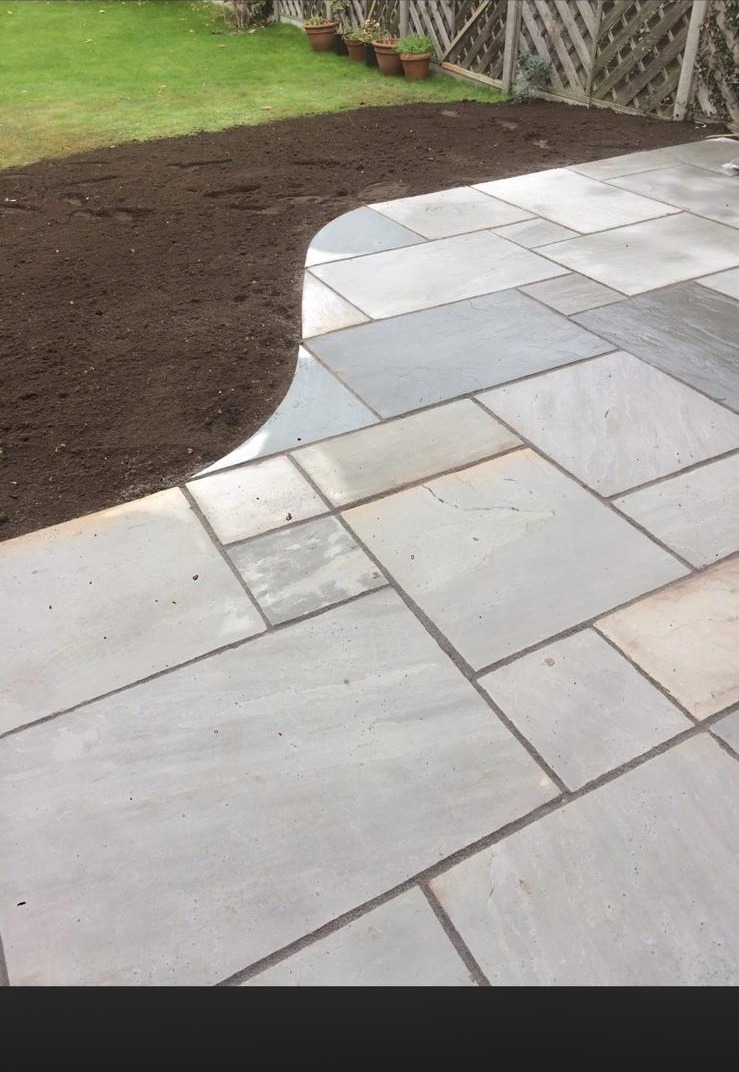
Used to new-build ground
Compacted construction subsoil, buried rubble and topsoil spread thin over it are normal on Ashford's newer estates, and the dig is priced for what is actually under the turf.
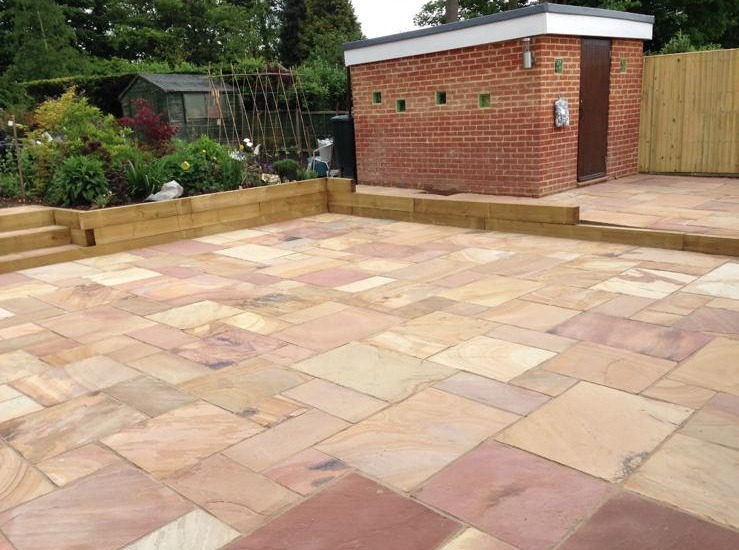
Ashford has grown fast, and a lot of its newer estates come with builder-standard drives, thin turf over compacted subsoil and boundaries that were never built for a Kent gale. We put in the ground and the base that should have been there first time.
25 years on the tools · Full digger ticket and NRSWA street works · Priced in person after a site visit · 10% deposit secures the booking
Tell us the basics and Shane will arrange a visit to price it properly.
Local Coverage
TN23 to TN27, and the surrounding villages
We cover Ashford town and the villages around it: Kennington, Willesborough, Singleton, Park Farm, Charing, Wye, Hamstreet, Tenterden and the settlements along the M20 and out towards the Weald, for driveways, patios, bases, fencing, decking, surface cleaning, underpinning and clearance.
Ashford sits on the M20 corridor, which makes it practical to reach from the rest of our Kent coverage. Site visits are arranged around the current diary, we work 7am to 5pm and seven days a week when a job needs it, and Shane will give you a realistic date rather than an optimistic one.
Ashford is a town of two halves as far as groundworks go. There is the older core: Victorian and Edwardian terraces around the town centre and Beaver Road, with tight access and narrow rear gardens, and then the enormous volume of newer housing at Park Farm, Repton Park, Singleton, Chilmington and Finberry, where gardens are compact, ground is often compacted construction subsoil, and the original fencing and paving were specified to a budget.
The most common jobs here are upgrading new-build gardens: replacing builder-grade panel fencing, laying a real patio on a proper base where the original was a small slabbed square, putting in concrete bases for garden rooms in small gardens, and widening drives for a second car. In the older streets it is replacement driveways, patios and boundary fencing.
What We Do Here
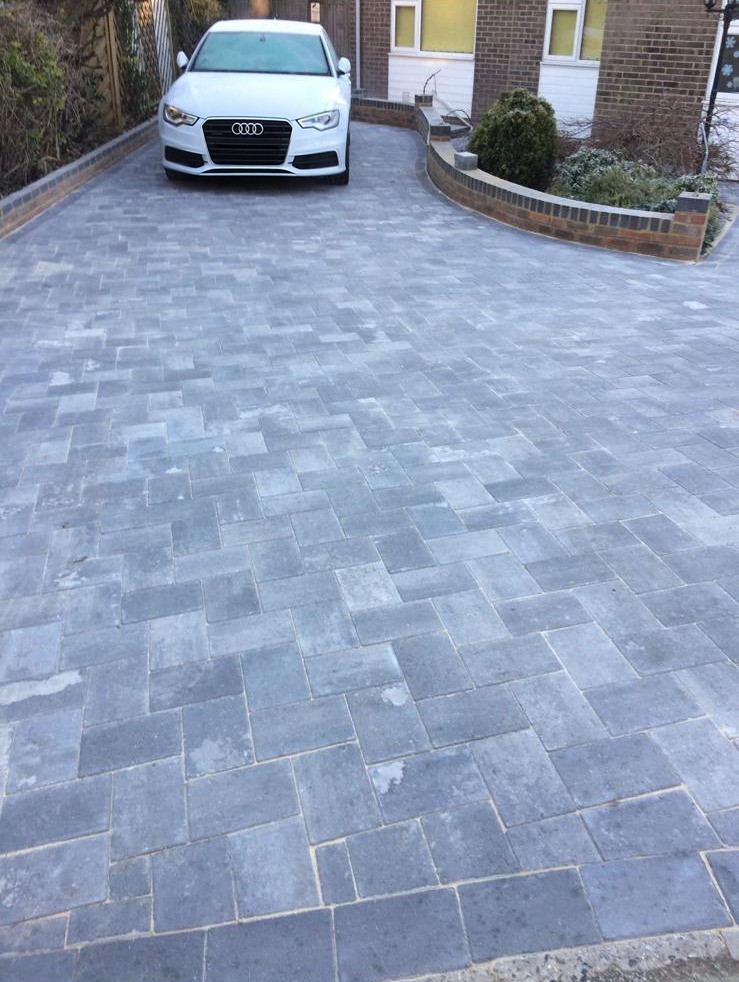
New driveways dug out, sub-based and laid properly, with drainage and edging finished to last.
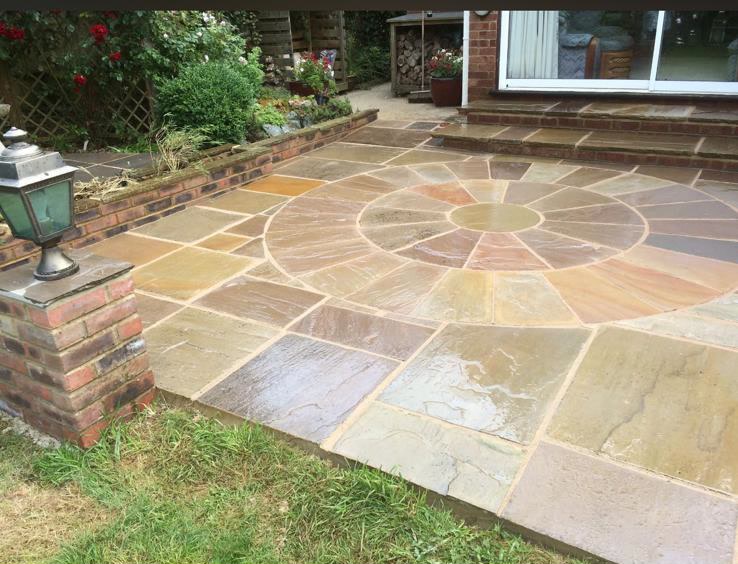
Patios laid on a correctly prepared base, set to fall so water runs away from the house.
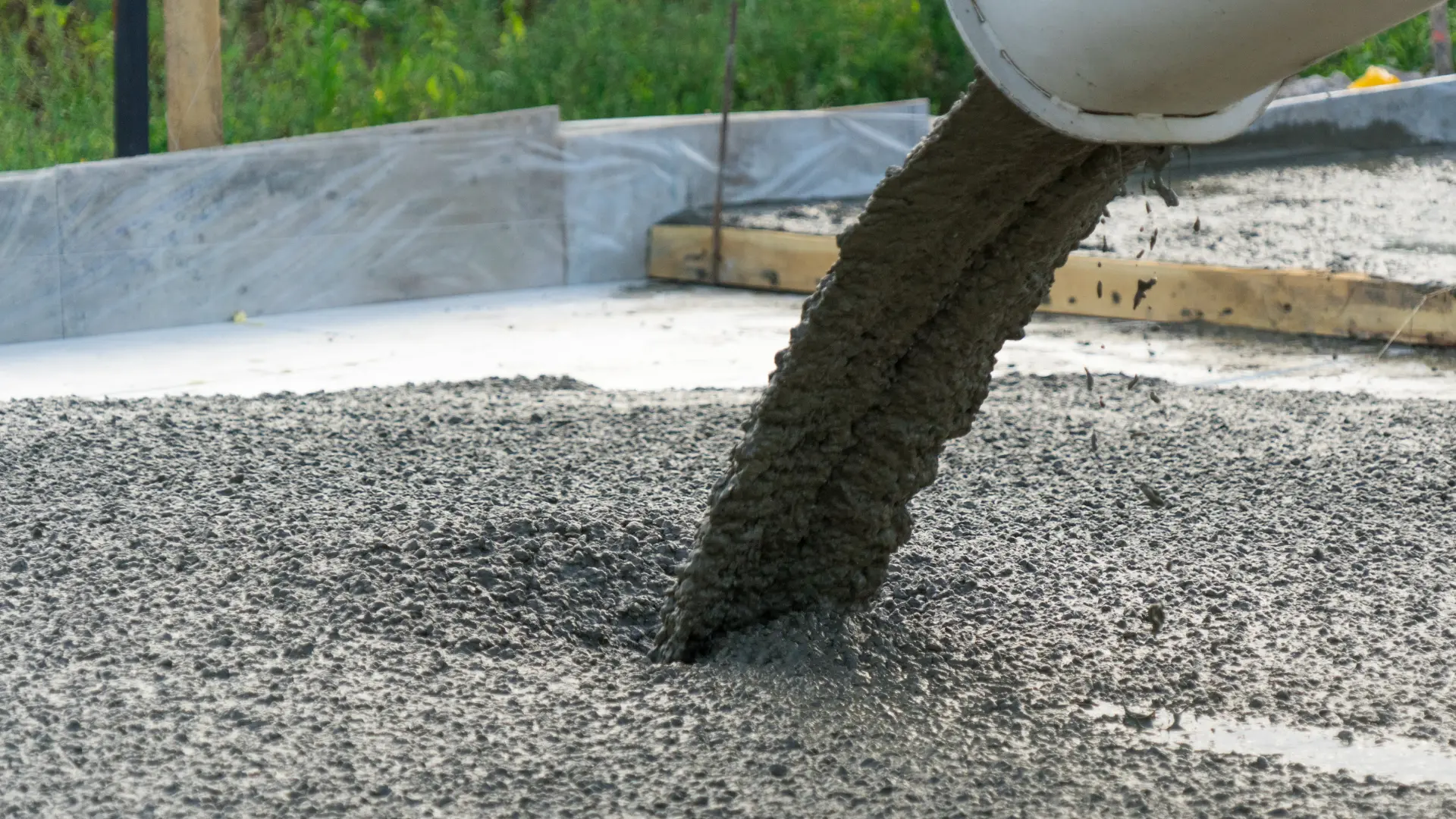
Bases for garages, garden rooms, sheds and hot tubs, excavated, shuttered, reinforced and poured level.
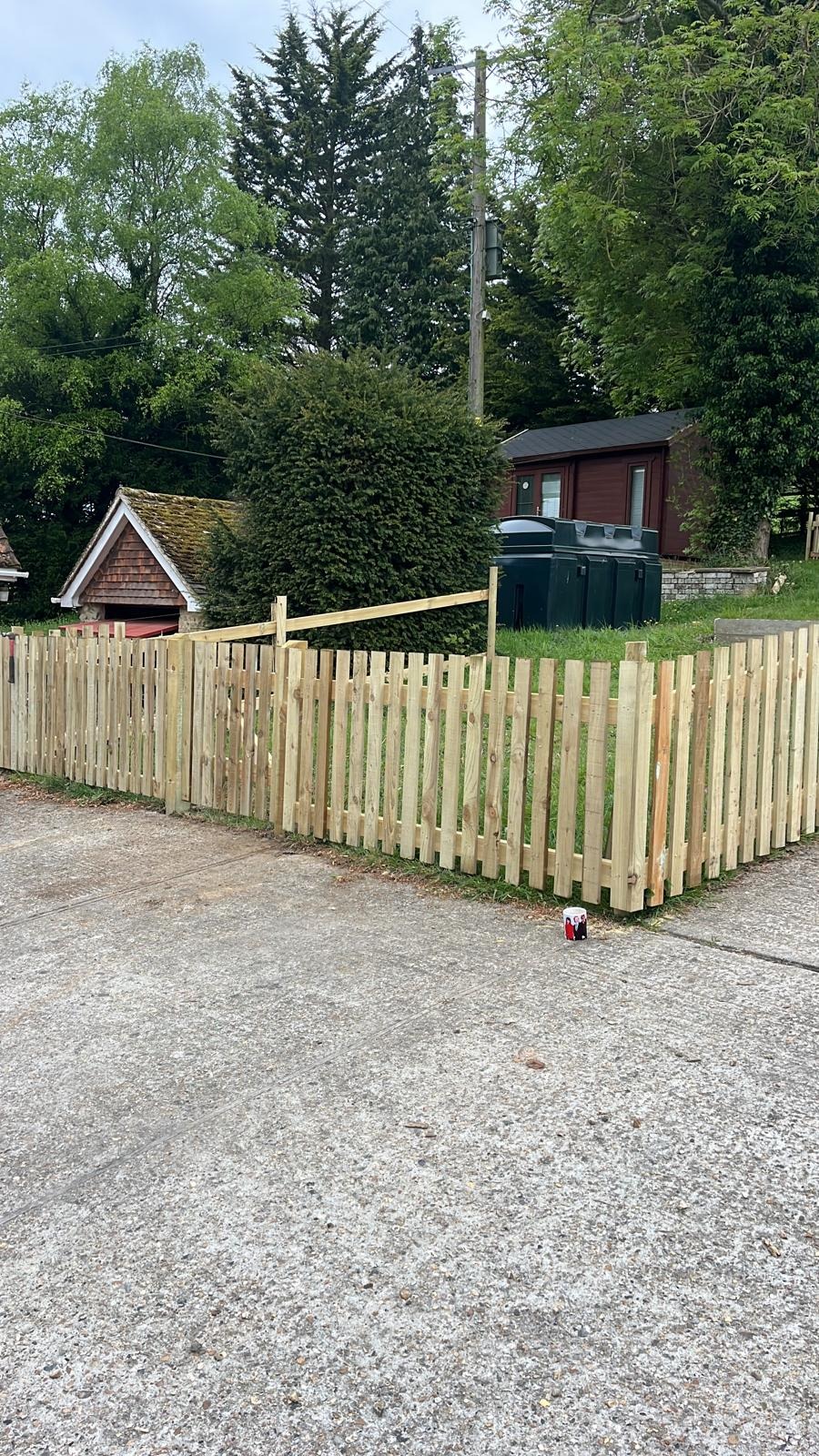
Boundary and garden fencing with posts set solid, lines run straight and levels taken across slopes.
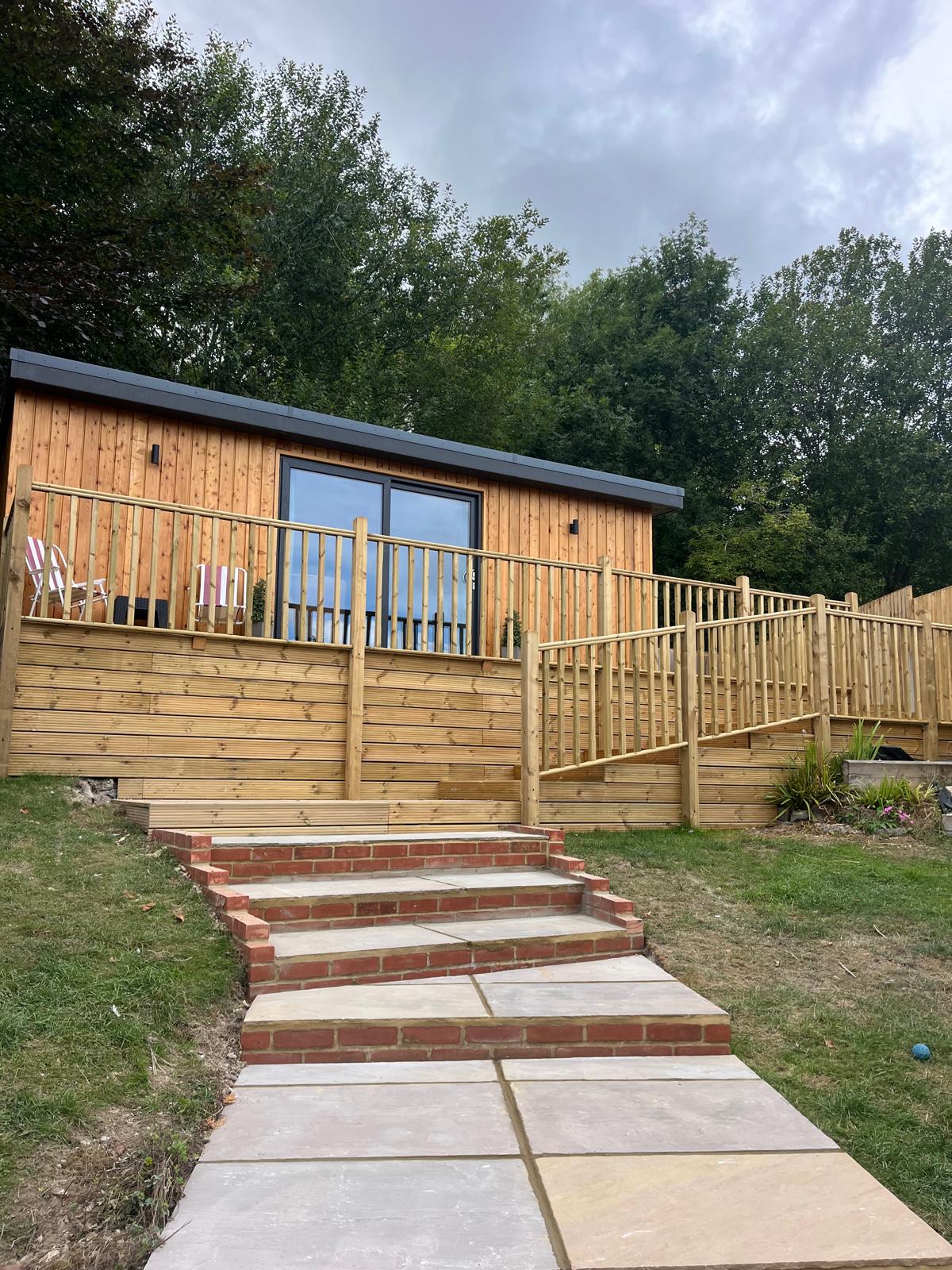
Timber and composite decking built on a properly supported frame, level and free of movement.
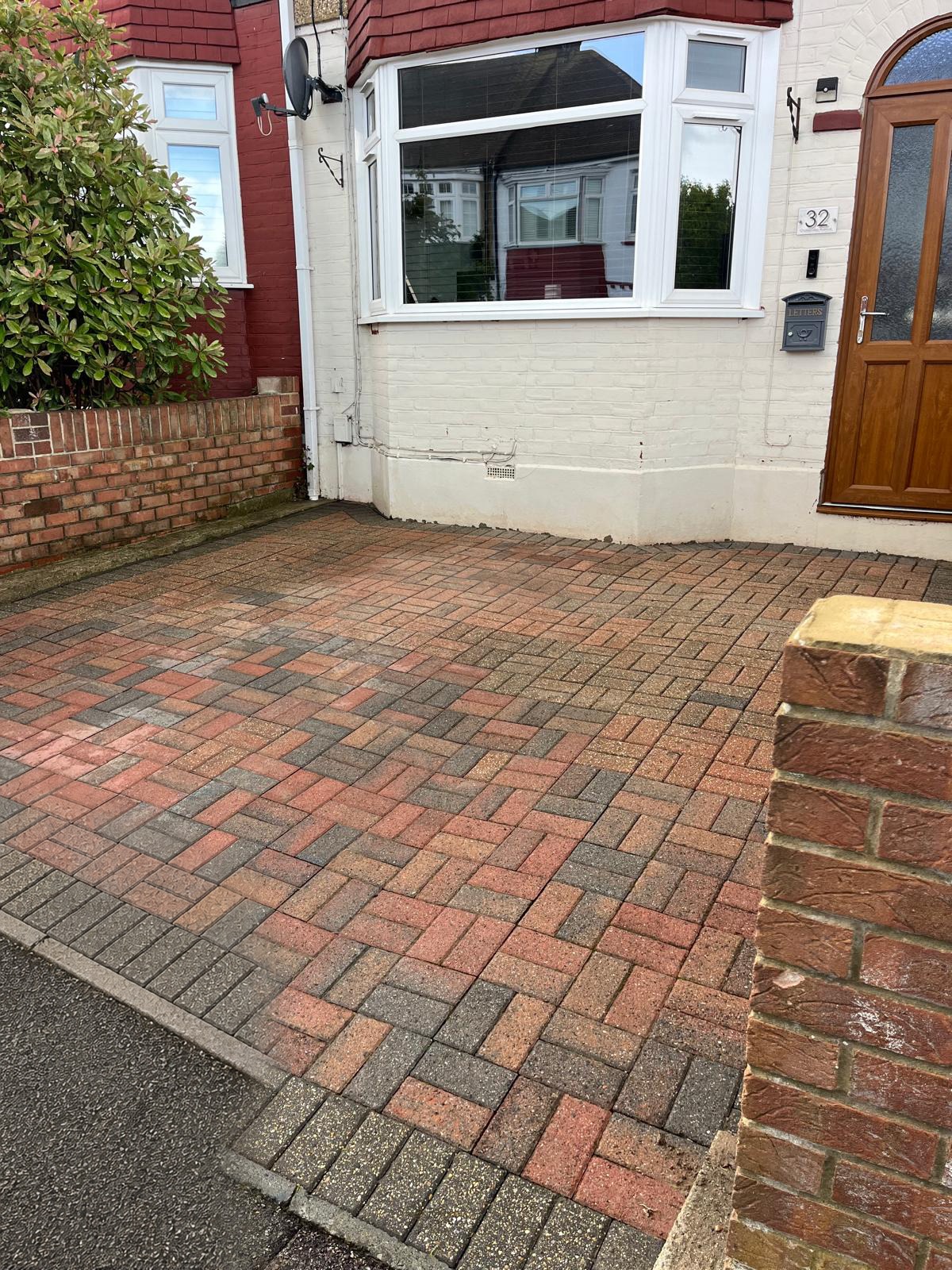
Pressure cleaning to lift moss, algae and staining from block paving, slabs and concrete.
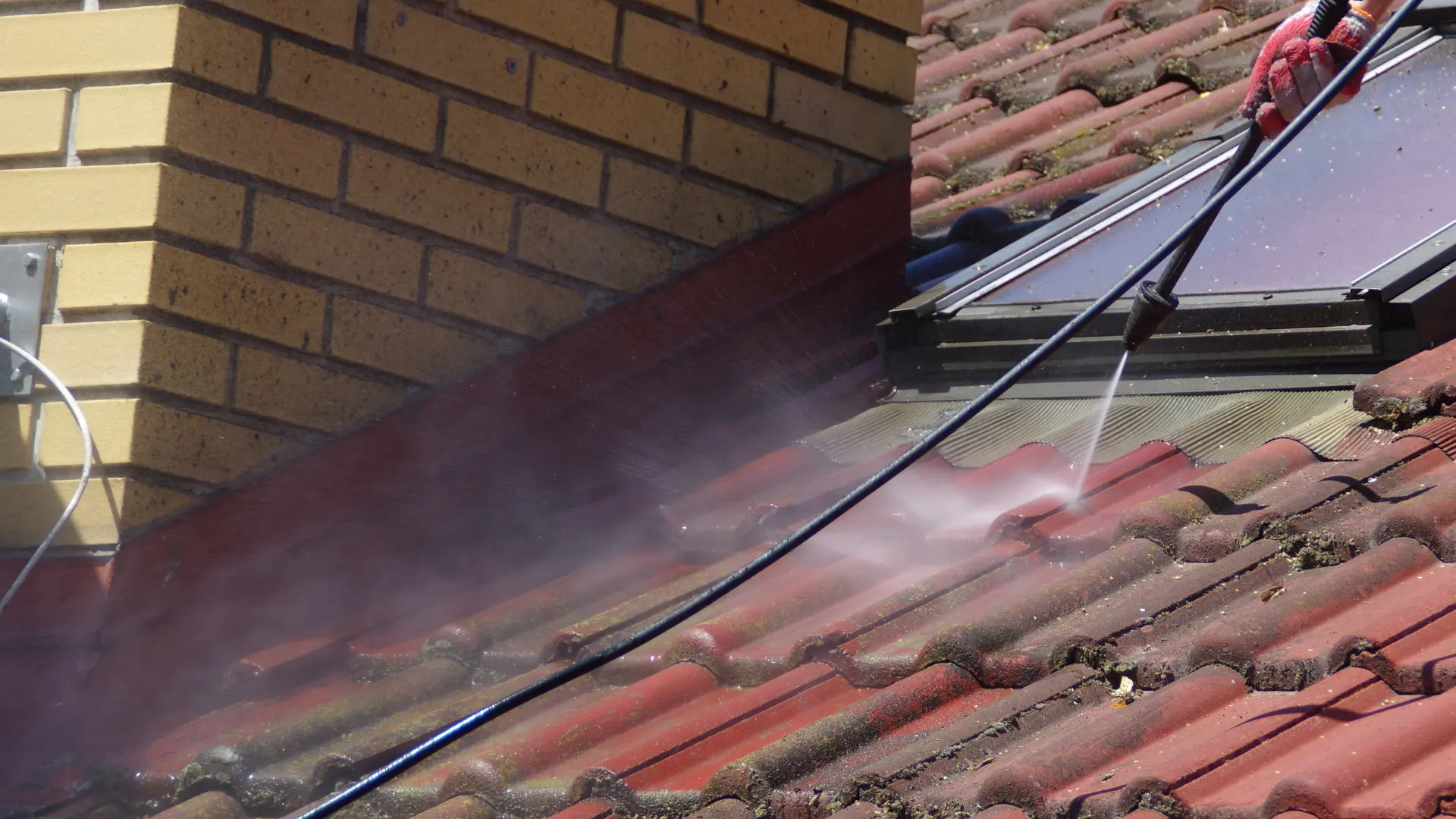
Careful removal of moss and build-up from tiles, with gutters and surroundings left clear.
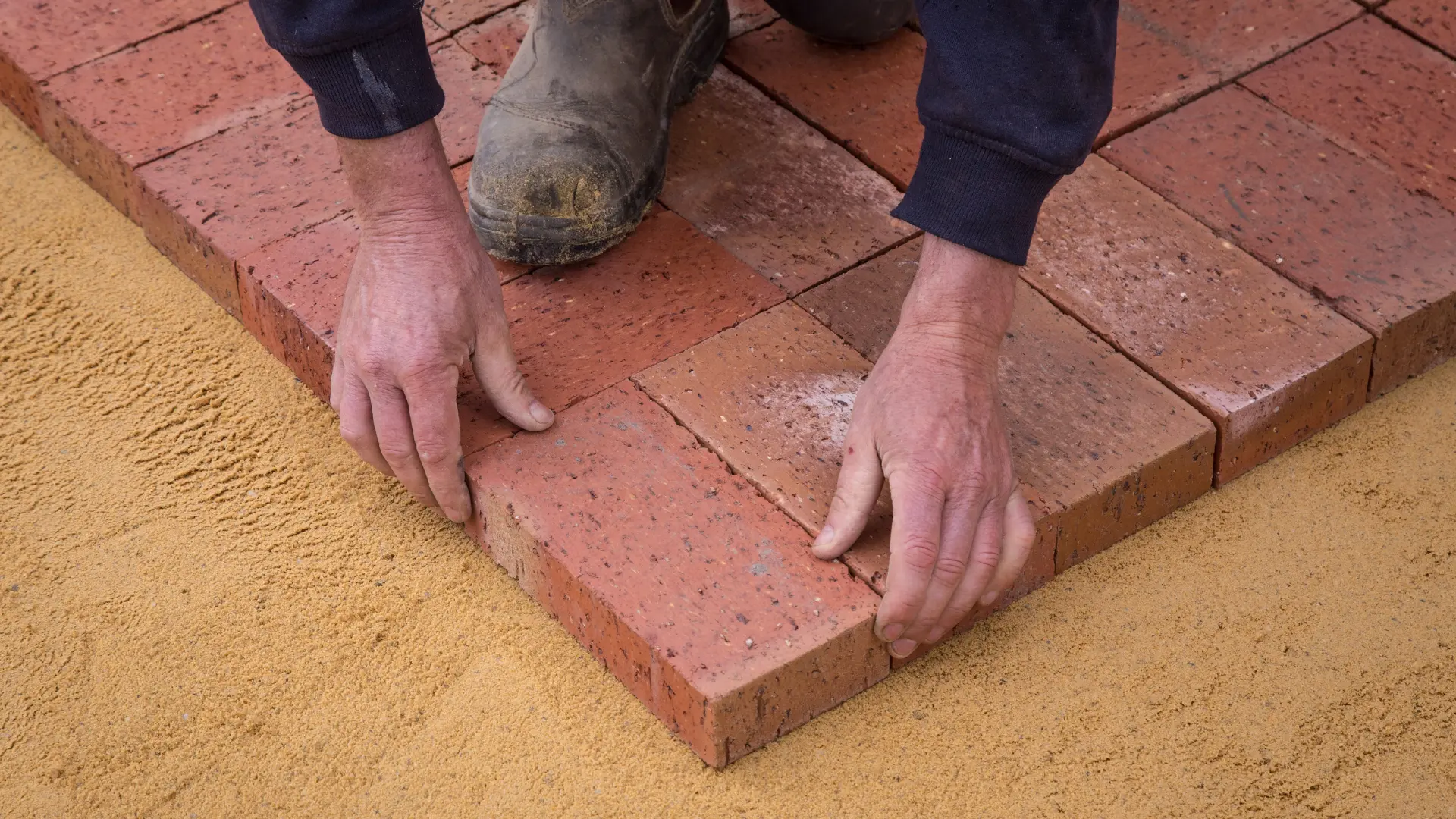
Underpinning works carried out to specification. Structural engineer and building control sign-off remain the customer's responsibility.
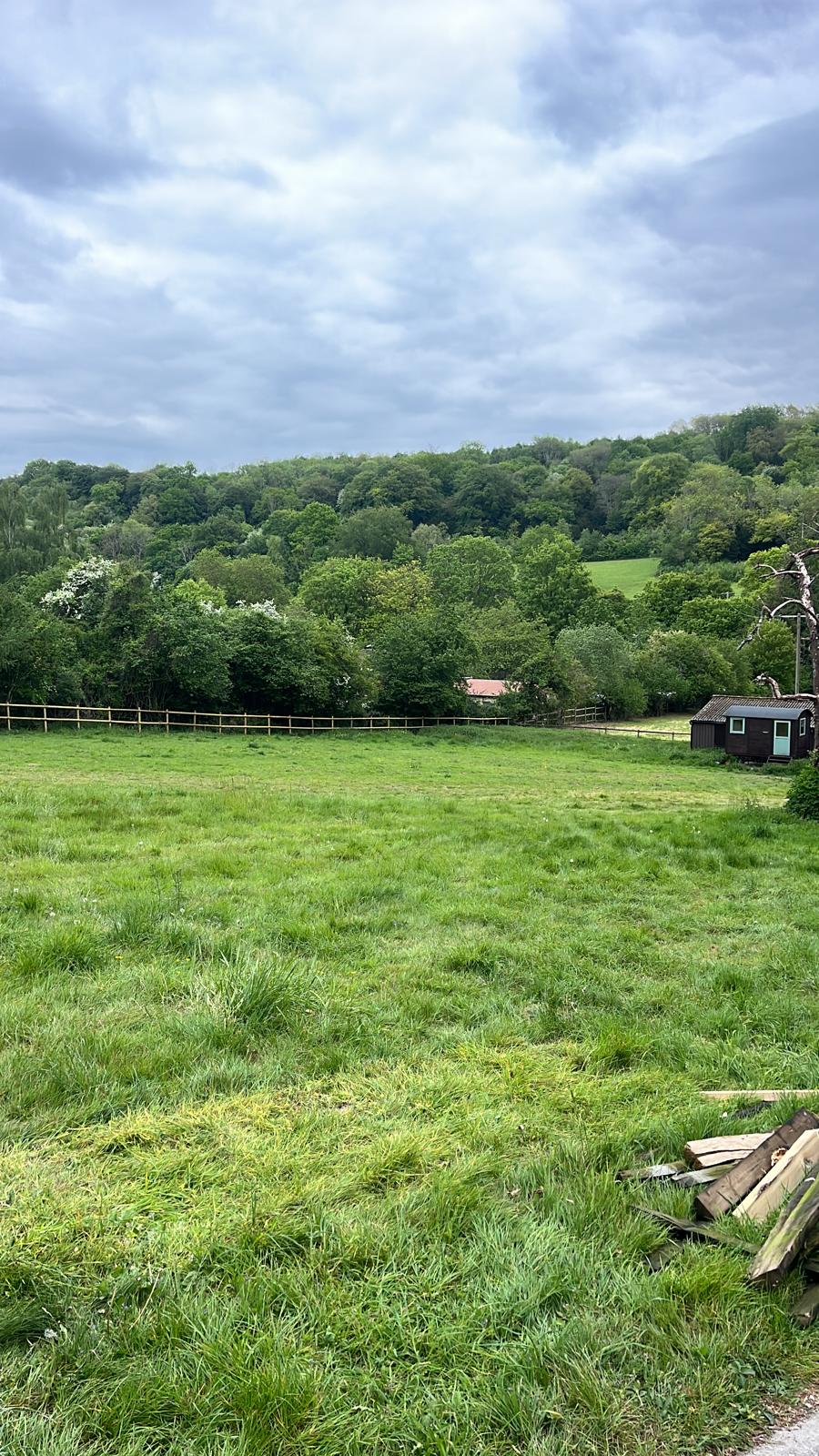
General tree and vegetation clearance as part of groundworks. Tell us what's involved and we'll advise on the right approach at the site visit.
Why SMB Groundworks and Servicing
Compacted construction subsoil, buried rubble and topsoil spread thin over it are normal on Ashford's newer estates, and the dig is priced for what is actually under the turf.
Shane has spent 25 years doing groundworks, drives, bases and hard landscaping, and he is on site while the work is done.
Excavation, base and surface are all done by the same crew, so no second trade to wait for and no argument about whose work moved.
Founder-led by Shane Brooker, with 25 years in the trade, NRSWA street works, a full digger ticket, core drilling and ducting. Every job is priced in person after a site visit; a 10% deposit secures the booking and the balance is settled on completion. If anything isn't right once we've finished, you call and Shane comes back and sorts it.
Local Conditions
On a lot of Ashford's newer developments the garden is construction subsoil rolled flat by plant, with a thin skin of topsoil and turf over the top. Water does not drain through it, and buried brick, concrete and offcuts turn up constantly in the dig. It means garden levels are often wrong from the start and a patio or base here needs a genuine excavation rather than a scrape.
Towards Tenterden, Bethersden and the Weald, the ground is heavy clay that holds water through winter and shrinks in a dry summer. It slows drainage, it moves shallow foundations, and it demands a properly compacted sub-base under any drive or base. It is also the single biggest factor behind movement enquiries in this part of Kent.
The newer estates around Ashford are laid out in open ground with little mature planting to break the wind. Tall panel fences on shallow-set posts behave like sails, and they are the ones that come down first in a winter storm. Post depth, concrete footings and choosing between panel and close board matter more here than in a sheltered town-centre garden.
Plots on the newer developments are tight, and many terraced and semi-detached houses have no rear access at all. Machines cannot get in, spoil has to come out through the house or over a fence, and material has to be barrowed in. It is workable, it just has to be assessed honestly and priced for what it actually involves.
In Detail
A large share of our Ashford work is making a builder's garden into a usable one. The pattern is familiar: a small slab square outside the back door, cheap lap panel fencing on timber posts, and a lawn laid over compacted subsoil that turns to a bog every winter. Doing it properly means digging out rather than laying over the top, getting a real compacted sub-base in, setting falls away from the house, and dealing with where the water is actually going. Replacement fencing is dug to depth and concreted, usually with gravel boards to keep the timber out of the wet. It costs more than the original because the original was specified to a plot budget, but it is the last time the garden needs doing.
Parking is under pressure on many Ashford estates, where allocated bays were sized for a one-car household. Widening a drive or converting a front garden is common, and the technical requirements are the same as anywhere in Kent: surface water from a new impermeable drive must not run onto the public highway, so it is handled with a permeable build-up, a channel drain, or falls to a permeable area inside the boundary. Any new crossover onto the footway needs the council's permission through their own process. On the newer estates, watch for shallow services and estate drainage running close to the surface, they are found in the dig and worked around.
Around the town centre, Beaver Road and the streets off Wellesley Road, the housing is older, the rear gardens are long and narrow, and access is through the house or a shared alley. Here the issues are the classic ones: paths and patios built up over decades until the finished level sits too close to the damp-proof course, drainage that was never thought about, and Victorian foundations that were shallow by modern standards. Work in these gardens is slower because everything is barrowed, and that is reflected in the price rather than hidden in it.
From Ashford we also cover Charing, Wye, Hamstreet, Tenterden and the villages either side of the M20, and the town connects naturally to our work in Faversham, Canterbury and Maidstone. If you are in a village outside the named list it is still worth a call, for a larger job, travel matters far less than the size of the work, and Shane would rather tell you straight away whether it is something we will take on.
How It Works
Call or send the form with a sentence about the work and where you are.
Shane comes out, looks at the ground, levels and access, and prices the job for what it is.
Happy with the price? A 10% deposit secures your booking and a start date goes in the diary.
We dig, base and finish the job, clear the site, and come back if anything isn't right.
Questions
Yes: Ashford town and the surrounding area, including Kennington, Willesborough, Singleton, Park Farm, Charing, Wye, Hamstreet and Tenterden.
Ashford is on the M20 corridor and practical to reach from across our Kent coverage. Site visits are booked around the current diary; we work 7am to 5pm, seven days a week when a job needs it, and you will be given a realistic date.
It is priced in person. On the newer estates the cost is often driven by how much compacted subsoil and buried rubble has to come out, and by whether there is side access for a machine, neither of which can be judged over the phone.
Yes. Where a machine cannot get in, spoil is barrowed out and material barrowed in. It takes longer and it is priced for that honestly at the site visit.
Usually because the ground beneath the turf is compacted construction subsoil that water cannot drain through. Fixing it properly means excavating and building in drainage and falls, not just relaying the surface.
Yes, and it is one of our most common Ashford jobs. Posts are dug to depth and concreted in, with gravel boards keeping the panel timber out of the soil, the two things most estate fencing is missing.
Yes. Heavy Wealden clay is normal ground for us; it generally means a deeper dig and more attention to sub-base and drainage.
Yes, 10% once you confirm you want to go ahead, which secures the booking. The balance is paid on completion.
You call and Shane comes back and puts it right. There is no formal warranty period; it is a direct commitment.
Canterbury, Faversham, Maidstone and the rest of Kent, including Medway, Sittingbourne, Sevenoaks, Tunbridge Wells, Dartford and Gravesend.
Tell us the job and your part of Ashford, or call Shane directly. Site visit, straight price, start date once the deposit is in.
7am to 5pm, seven days a week when needed. 10% deposit secures your booking; the balance is settled on completion.