Careful around old buildings
25 years in the trade means shallow historic footings, soft old brickwork and buildings without a straight line are familiar ground rather than a surprise.
Faversham has one of the largest collections of listed buildings in Kent, a creek that governs the water table on the north side of town, and orchards and farmland all around it. The groundworks have to suit the property, not the other way round.
25 years on the tools · Full digger ticket and NRSWA street works · Priced in person after a site visit · 10% deposit secures the booking
Tell us the basics and Shane will arrange a visit to price it properly.
Local Coverage
ME13 and the surrounding villages
We cover Faversham and the surrounding villages: Ospringe, Preston, Davington, Oare, Boughton, Selling, Painters Forstal, Eastling and the settlements along the A2 and towards the Swale, for driveways, patios, concrete bases, fencing, decking, cleaning, underpinning and clearance.
Faversham is on the A2 and M2 between Sittingbourne and Canterbury, both regular runs for us, so it is straightforward ground to reach. Site visits are arranged around the existing diary; we work 7am to 5pm, seven days a week when a job needs it.
A remarkable amount of period stock: medieval, Georgian and Victorian property in and around the town centre and Abbey Street, much of it listed or in a conservation area, alongside post-war estates, creekside conversions, modern developments on the town's southern edge, and brick-and-flint cottages in the surrounding villages.
Typical work here is patios and courtyard paving in walled town gardens, driveway replacement and gravel drives for period houses, concrete bases for garden rooms and workshops, fencing for village and orchard-edge boundaries, and cleaning heavily mossed paving and roofs in damp, shaded parts of town.
What We Do Here
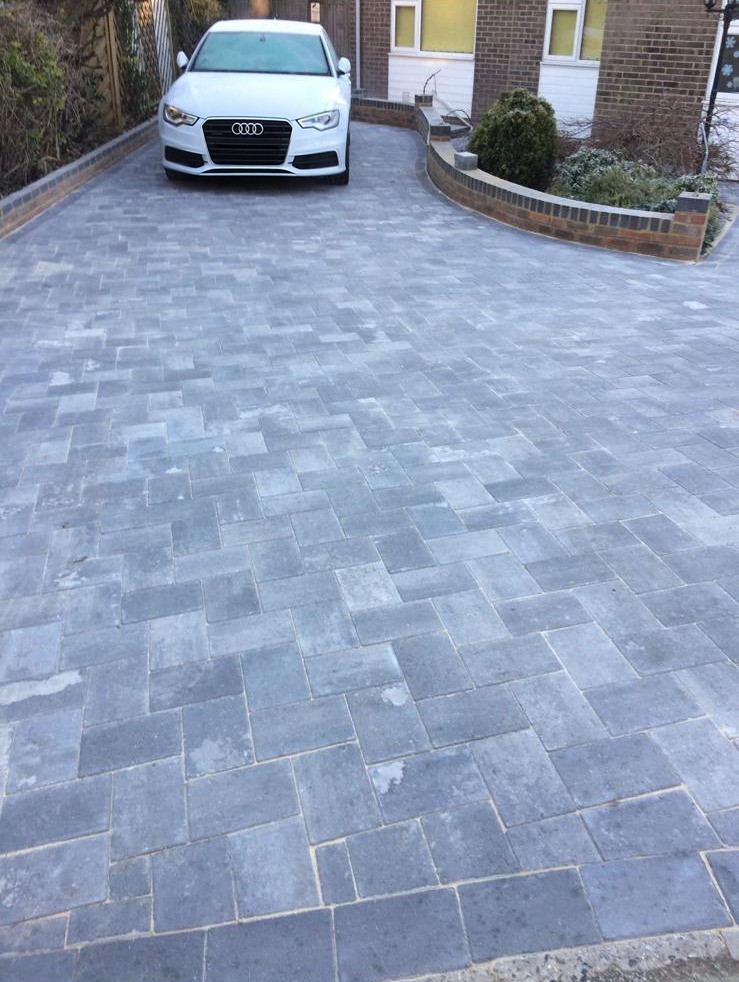
New driveways dug out, sub-based and laid properly, with drainage and edging finished to last.
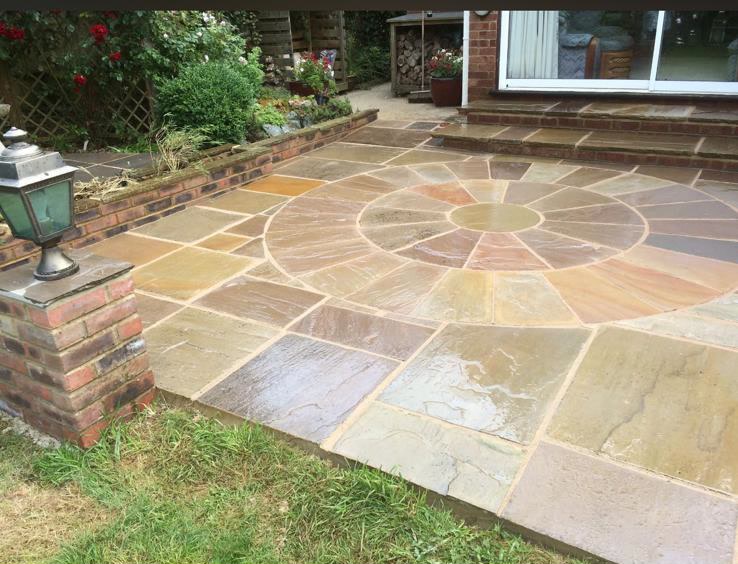
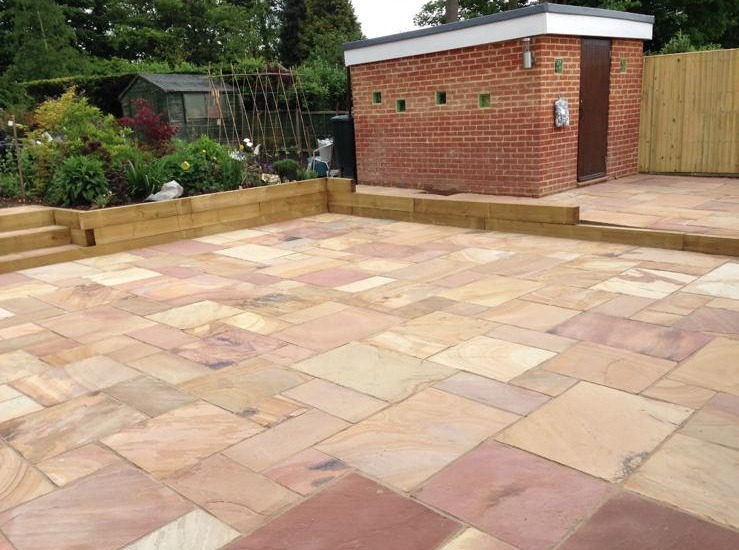
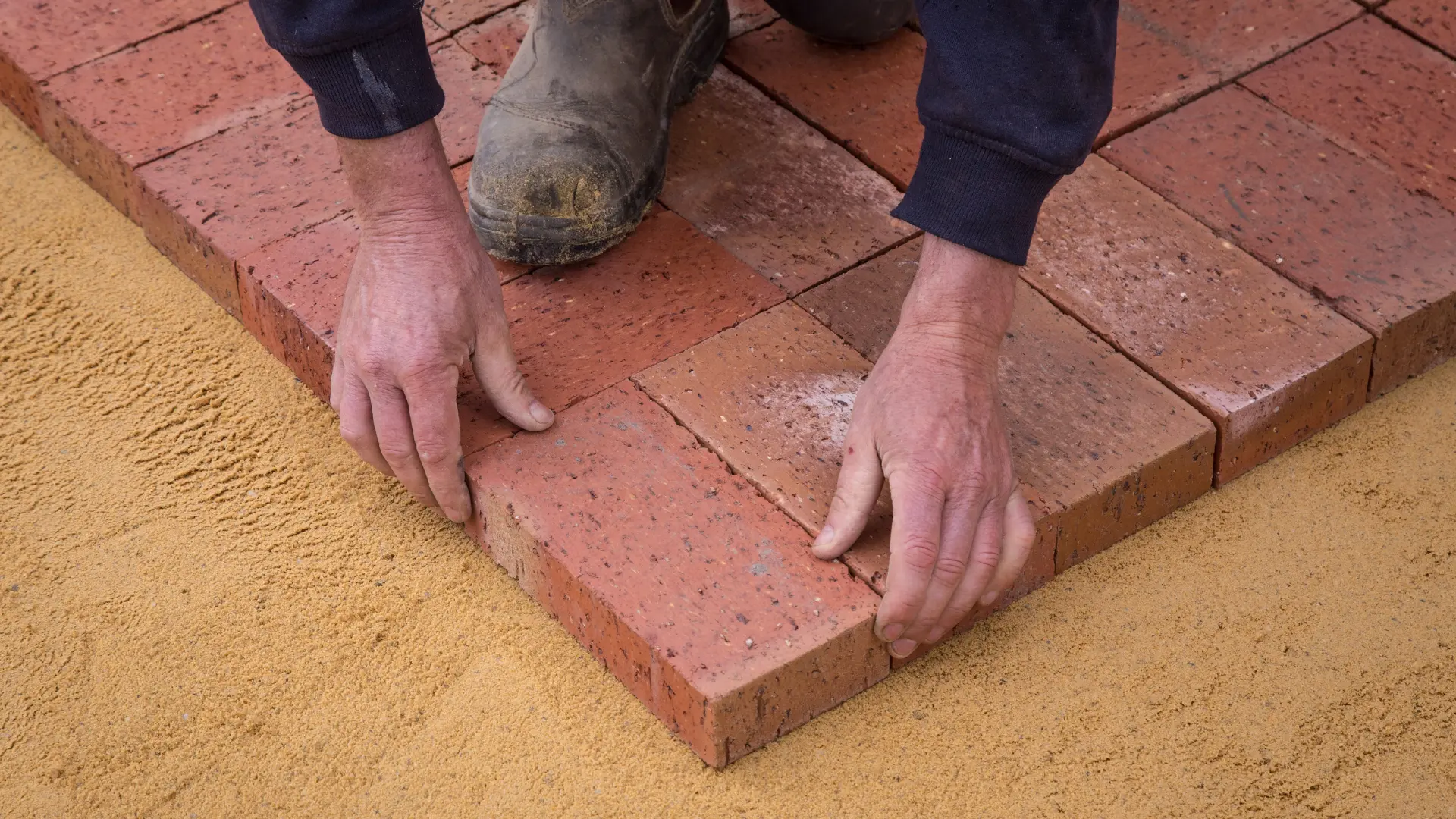
Patios laid on a correctly prepared base, set to fall so water runs away from the house.
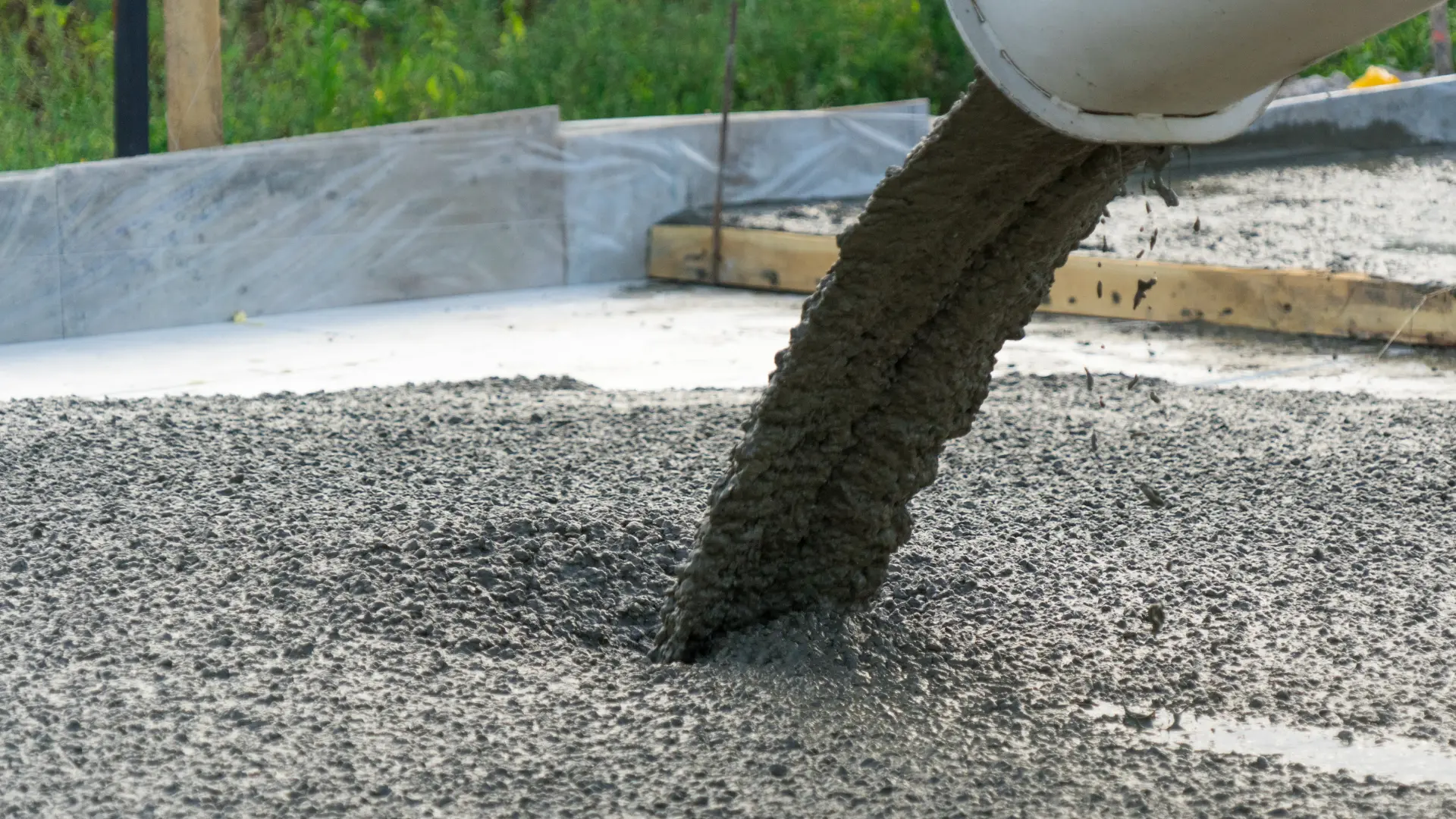
Bases for garages, garden rooms, sheds and hot tubs, excavated, shuttered, reinforced and poured level.
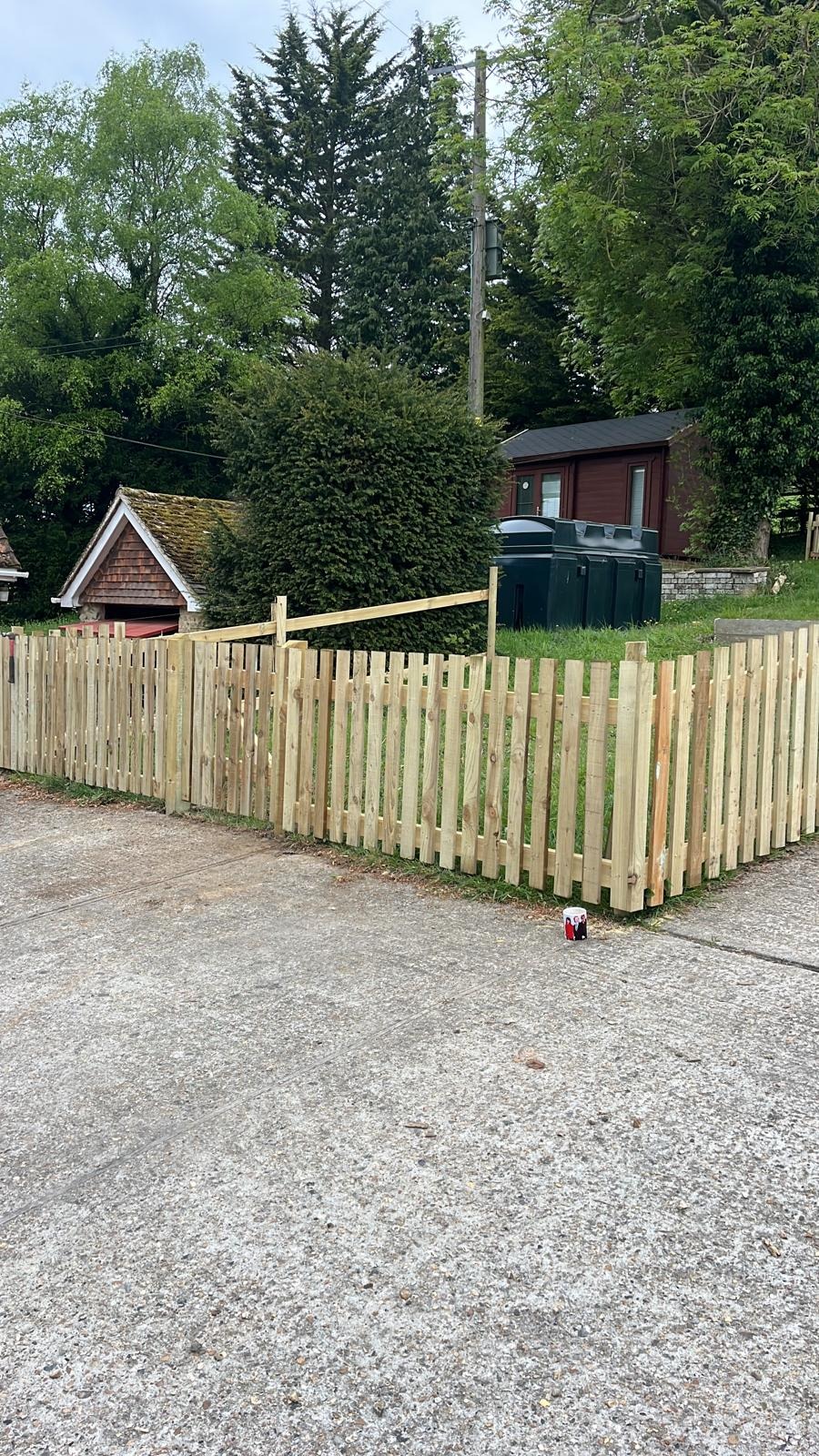
Boundary and garden fencing with posts set solid, lines run straight and levels taken across slopes.
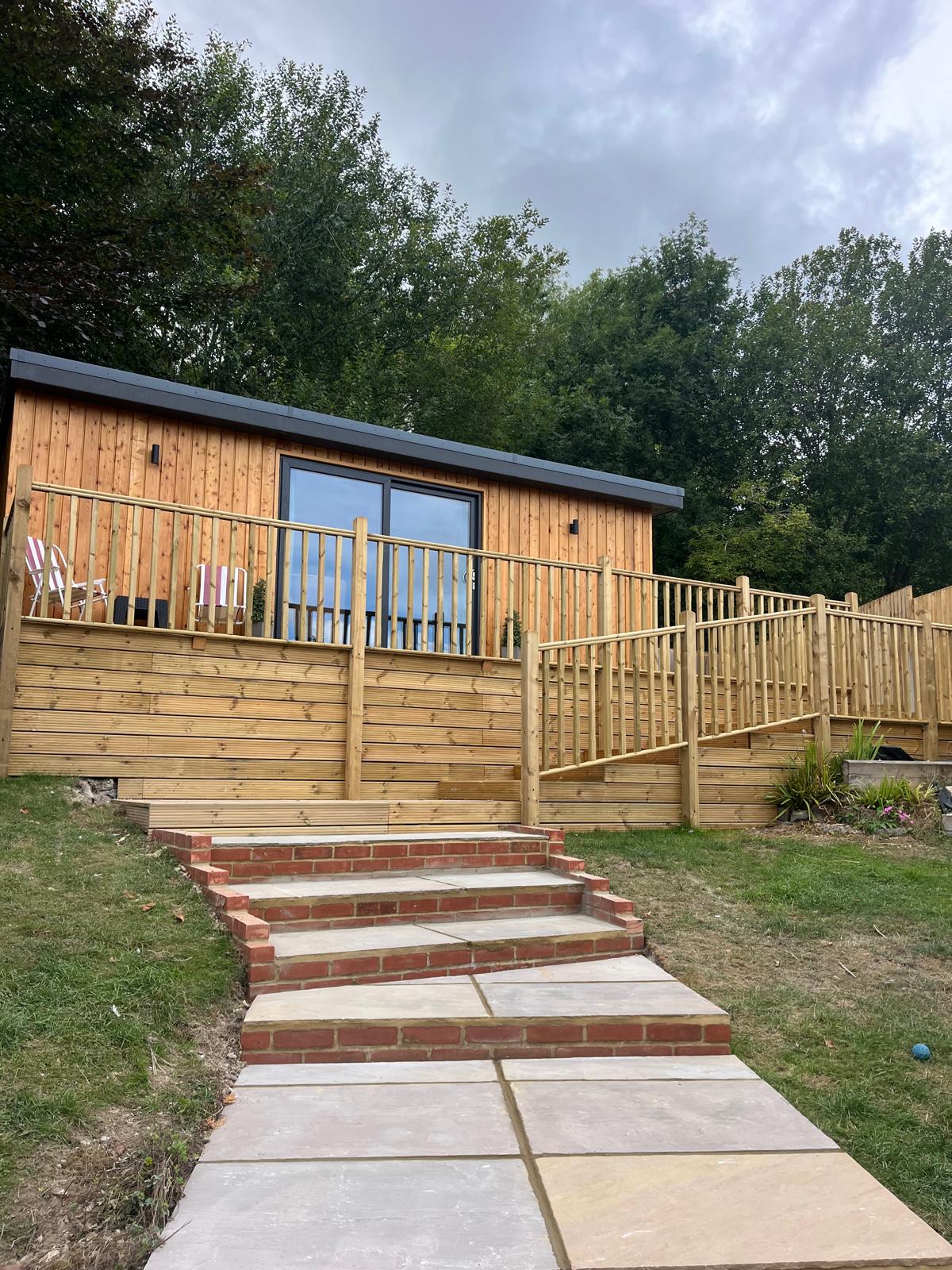
Timber and composite decking built on a properly supported frame, level and free of movement.
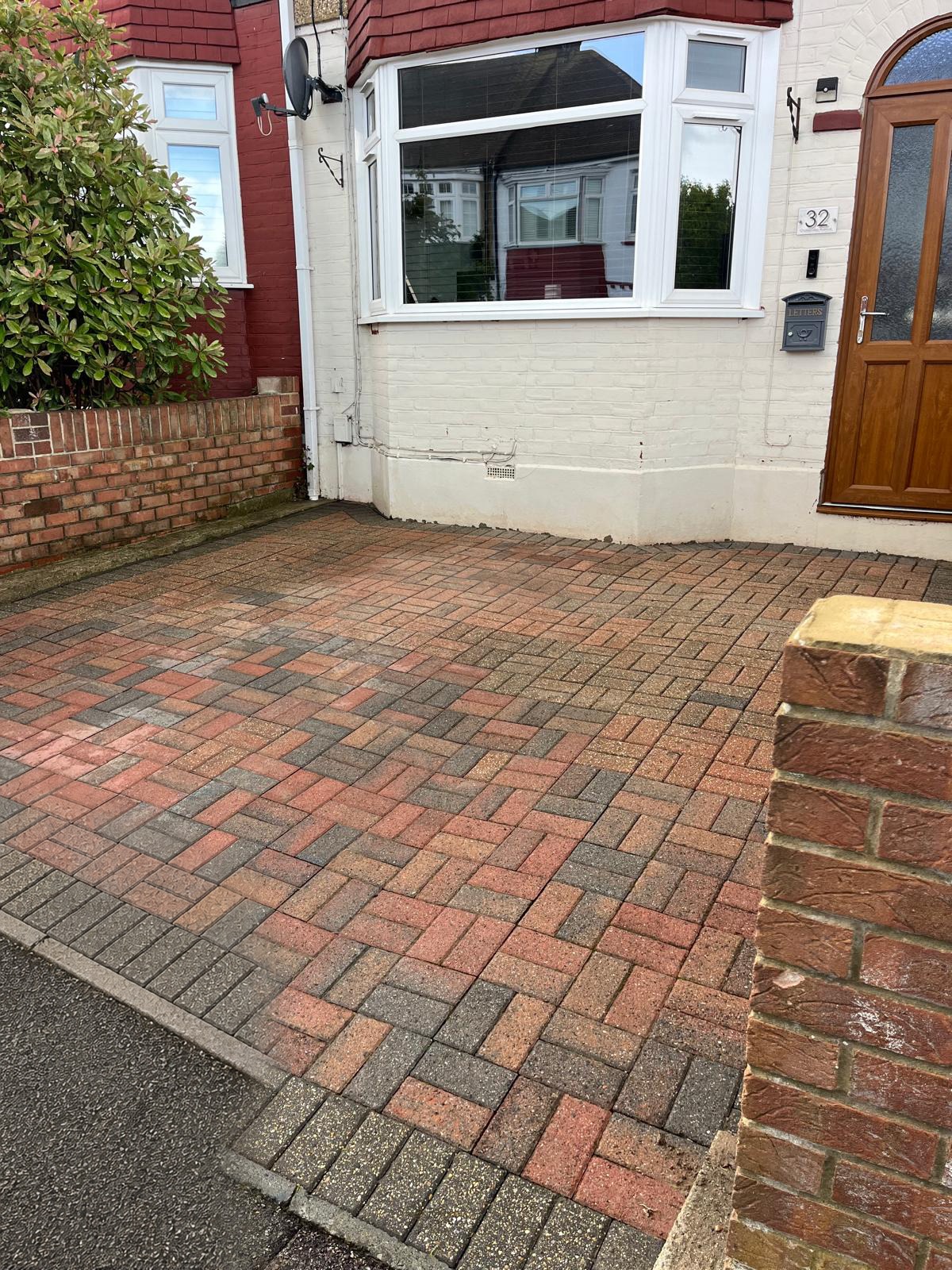
Pressure cleaning to lift moss, algae and staining from block paving, slabs and concrete.
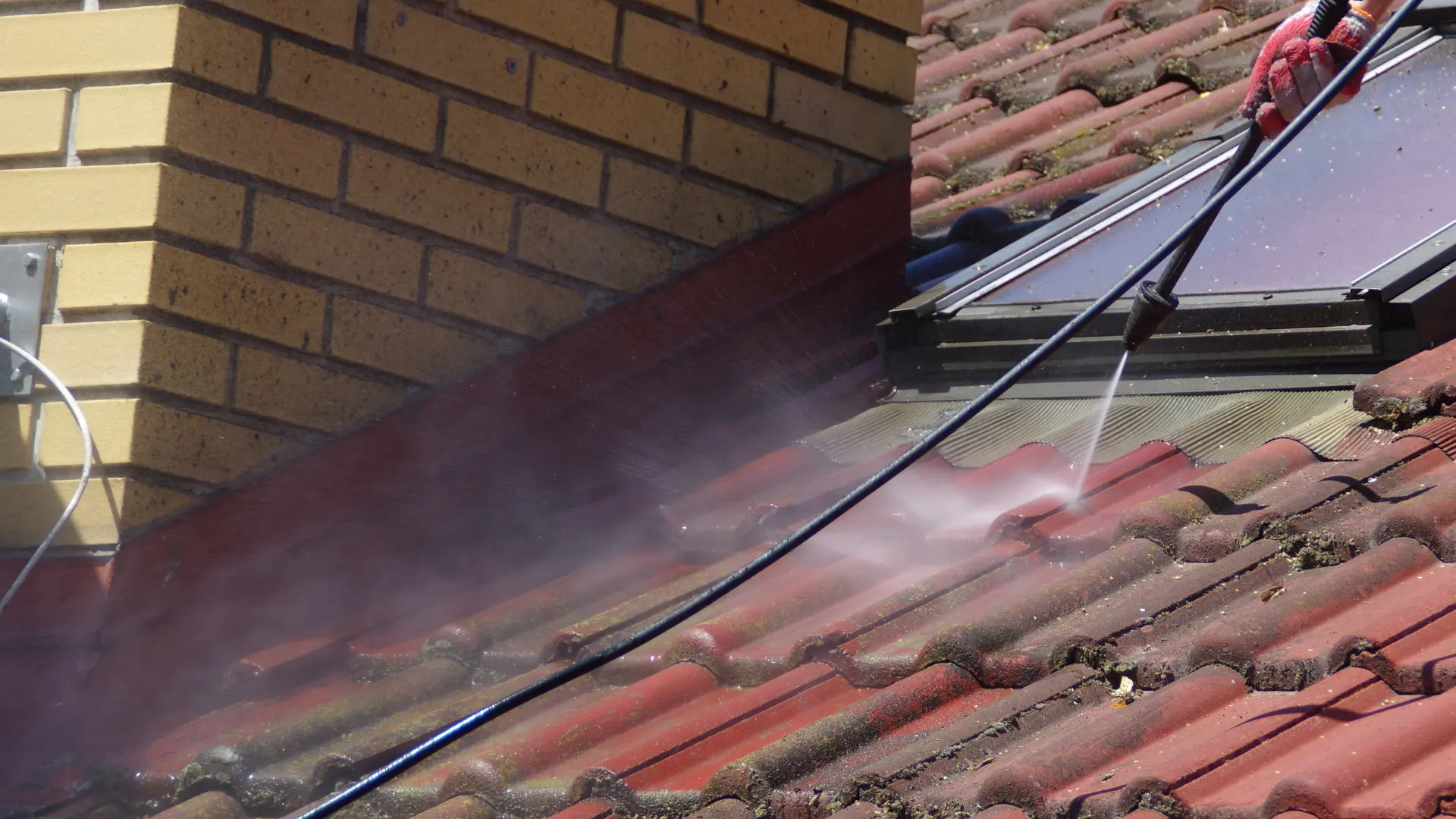
Careful removal of moss and build-up from tiles, with gutters and surroundings left clear.
Underpinning works carried out to specification. Structural engineer and building control sign-off remain the customer's responsibility.
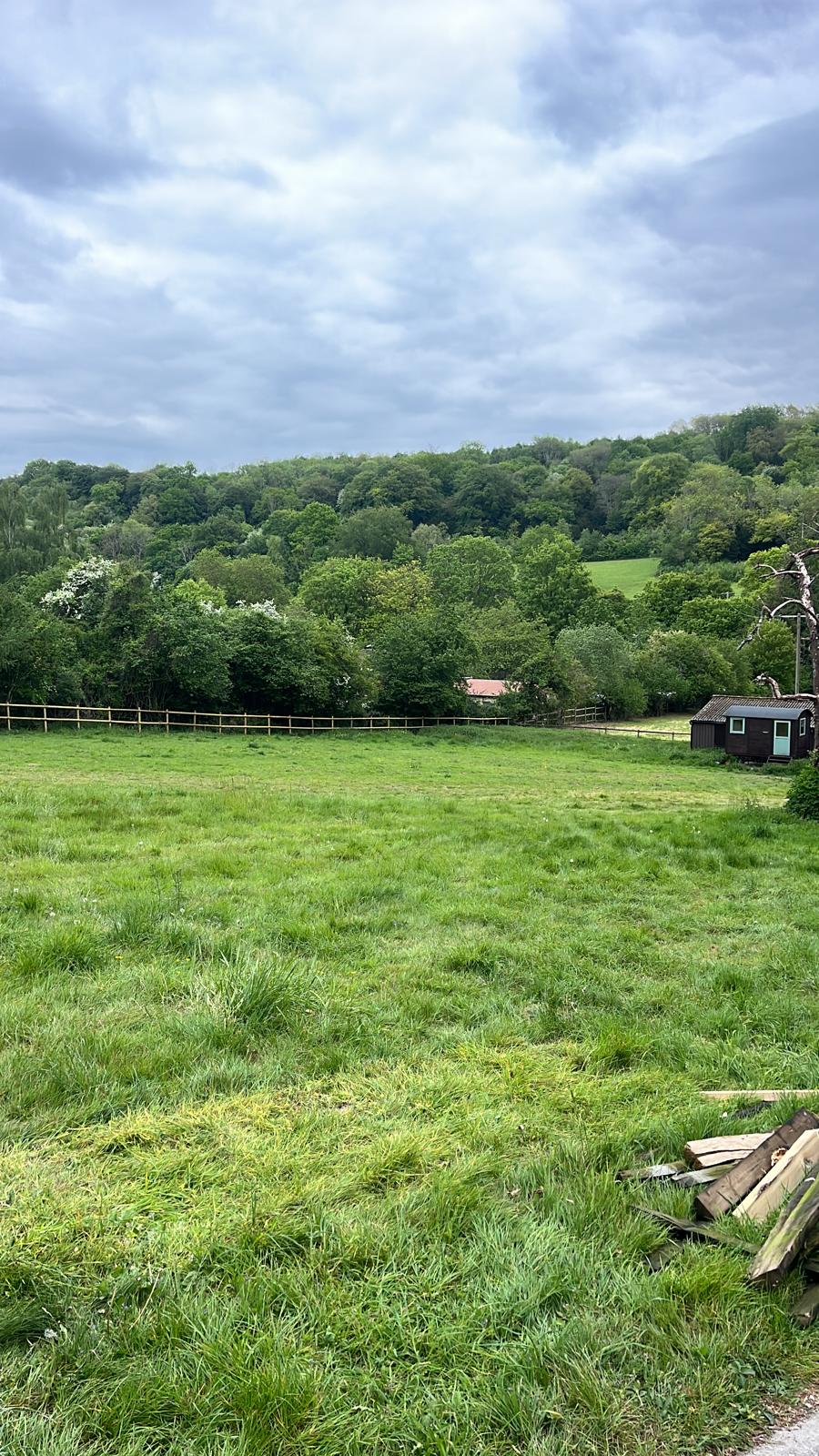
General tree and vegetation clearance as part of groundworks. Tell us what's involved and we'll advise on the right approach at the site visit.
Why SMB Groundworks and Servicing
25 years in the trade means shallow historic footings, soft old brickwork and buildings without a straight line are familiar ground rather than a surprise.
Between the creek, the marsh edge and the chalk to the south, Faversham ground varies sharply. That is why the price follows a visit.
If a job needs a conservation officer, a structural engineer or a tree surgeon before a groundworker, Shane will tell you that at the visit.
Founder-led by Shane Brooker, with 25 years in the trade, NRSWA street works, a full digger ticket, core drilling and ducting. Every job is priced in person after a site visit; a 10% deposit secures the booking and the balance is settled on completion. If anything isn't right once we've finished, you call and Shane comes back and sorts it.
Local Conditions
Faversham has an exceptional concentration of listed buildings and a large conservation area covering much of the historic centre. Surface materials, boundary changes and alterations visible from the street can need consent, and that is the property owner's responsibility to obtain. It is much cheaper to resolve before a drive or patio is specified than to unpick afterwards.
On the north side of town, towards the creek, Oare and the marsh edge, the water table sits high and the ground is soft and alluvial in places. Excavations can take water, formations soften quickly, and drainage strategy has to be realistic about where water can actually go. It is the sort of thing that has to be seen rather than assumed.
Period property in the town was built on footings that are shallow by modern standards, often with lime mortar and soft brick. Anything that changes the ground close to a wall: a deep excavation for a drive, a retaining structure, a new base, needs thinking about before digging. Where movement is already a concern, that is engineer-led work.
Many town-centre properties have enclosed courtyard gardens reached only through the house or a narrow passage. No machine gets in, spoil is barrowed out through the building, and material comes in the same way. It is entirely doable and it simply has to be priced for what it is.
In Detail
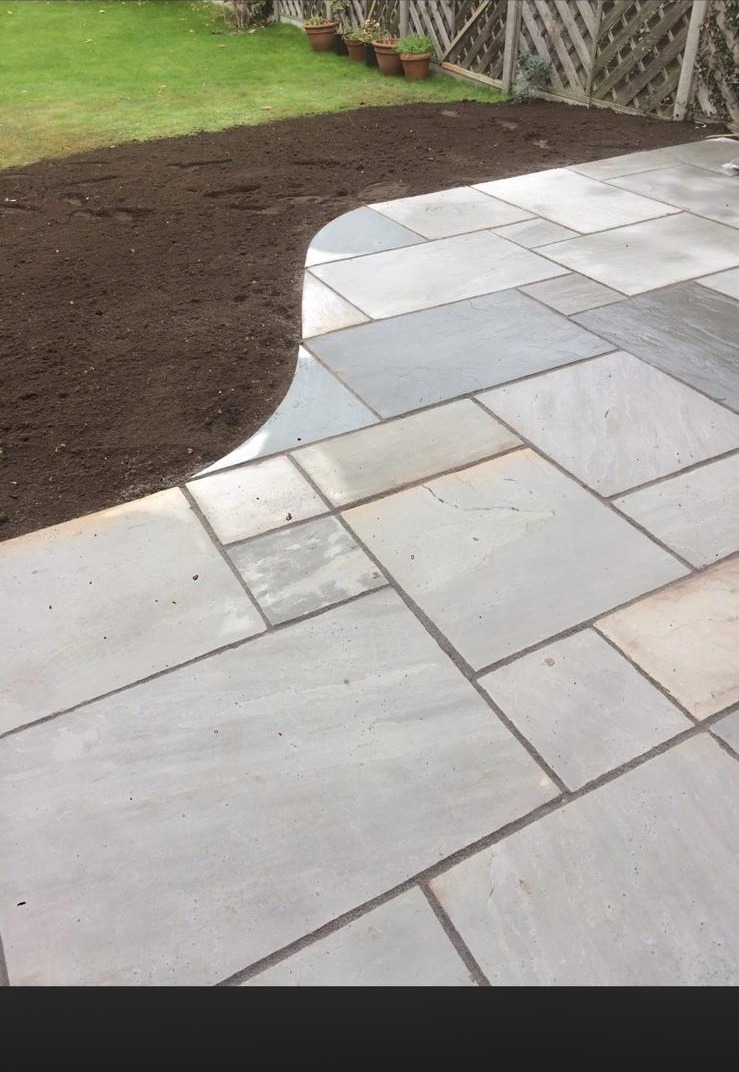
In the older parts of Faversham the job is usually a courtyard or walled garden where the existing paving has sunk, cracked or gone green. The right approach is the unglamorous one: lift it, dig out, get a proper compacted base in, lay on a full bed rather than mortar dabs, and set the falls away from the building. Finished level matters enormously here, because centuries of relaid paths have often brought the ground up above the original threshold, and paving sitting hard against soft old brickwork above the damp course invites damp straight into the wall. Material choice also has to suit the building and, where the property is listed or in the conservation area, what is permitted, a question for the council and the owner before the job is booked.
Gravel remains a very appropriate surface for period property around Faversham and the villages, and it works well provided it is done properly: dug out, a compacted sub-base, a stabilising grid where vehicles turn, and genuine edge restraints so the stone does not migrate into the road or the flower beds. Where block paving, resin or tarmac is preferred, the same base rules apply. Surface water from a new impermeable drive must not discharge onto the public highway, so drainage is designed inside the boundary, and any new crossover over the footway needs the council's permission, Shane holds the NRSWA street works qualification and will explain where the boundaries of responsibility sit.
Faversham's older streets are narrow and enclosed, with high walls and mature trees, and the creek keeps the air damp. That combination grows moss and algae quickly on paving, paths, walls and roofs, making surfaces genuinely slippery through autumn and packing gutters with debris that then sends water down the face of the wall. Cleaning is done at a pressure and method that suits the surface, because old stone, soft brick and lime pointing will not tolerate a jet held too close. Block paving joints are resanded afterwards, and gutters cleared of what comes down from a roof clean rather than left to block the downpipes.
Out at Ospringe, Preston, Boughton, Selling, Painters Forstal and Eastling the work shifts towards longer drives, bigger gardens, larger bases and long fence runs on orchard and field boundaries, where wind exposure is a genuine factor in how a fence is built. Clearance of scrub and overgrowth in the footprint of the works is handled as part of the job with the machine already on site; specialist tree felling and climbing work goes to a qualified tree surgeon. Faversham also connects directly to our work in Sittingbourne and Canterbury, so the surrounding villages are all comfortably within reach.
How It Works
Call or send the form with a sentence about the work and where you are.
Shane comes out, looks at the ground, levels and access, and prices the job for what it is.
Happy with the price? A 10% deposit secures your booking and a start date goes in the diary.
We dig, base and finish the job, clear the site, and come back if anything isn't right.
Questions
Yes: Faversham and the surrounding villages, including Ospringe, Preston, Davington, Oare, Boughton, Selling, Painters Forstal and Eastling.
It sits on the A2 between Sittingbourne and Canterbury, both regular runs for us. Visits are arranged around the current diary; we work 7am to 5pm and seven days a week when a job needs it.
It is priced in person. Access is the biggest variable here, a walled town garden reached through the house costs more in labour than an open drive, along with ground conditions, which vary from soft creekside ground to chalk south of the town.
Usually yes, but consent and material restrictions are a matter for the council and are the property owner's responsibility. Resolve it before booking and we will build to what is permitted.
Yes. Where no machine can get in, spoil is barrowed out through the property and materials barrowed in. It is slower and it is priced honestly for that at the visit.
It has to be planned for. A high water table means excavations can take water and formations soften quickly, so drainage has to be realistic about where water can actually go. It is assessed on site rather than assumed.
It can, if it is done at the wrong pressure or too close, a strong jet will cut straight through soft mortar. Method and pressure are matched to the surface, and if something is too fragile to clean safely we will say so.
Not necessarily. A structural engineer's investigation establishes the cause. If underpinning is specified, we carry out the works to that design; appointing the engineer and obtaining building control sign-off are your responsibility.
Yes, 10% once you are happy to go ahead, which secures the booking. The balance is settled on completion.
Sittingbourne, Canterbury, Ashford, Medway and the rest of Kent.
Describe the property and the job, or call Shane directly. Site visit, honest assessment, straight price for the work it needs.
7am to 5pm, seven days a week when needed. 10% deposit secures your booking; the balance is settled on completion.